


Our own local team on the ground. Dutch certified. The best of both worlds.
By hiring local guides and porters, you help them earn a good income close to home.
Financially protected through VZR Garant and the Calamity Fund.
In a nutshell
The Nepal Group Trip Himalaya & Jungle covers 3 completely different sides of Nepal in just 15 days. Kathmandu’s temples and prayer flags. Mountain villages and rhododendron forests in the Annapurna foothills. And the wild, flat jungle of Chitwan, where rhinos wade through tall grass and tigers move unseen.
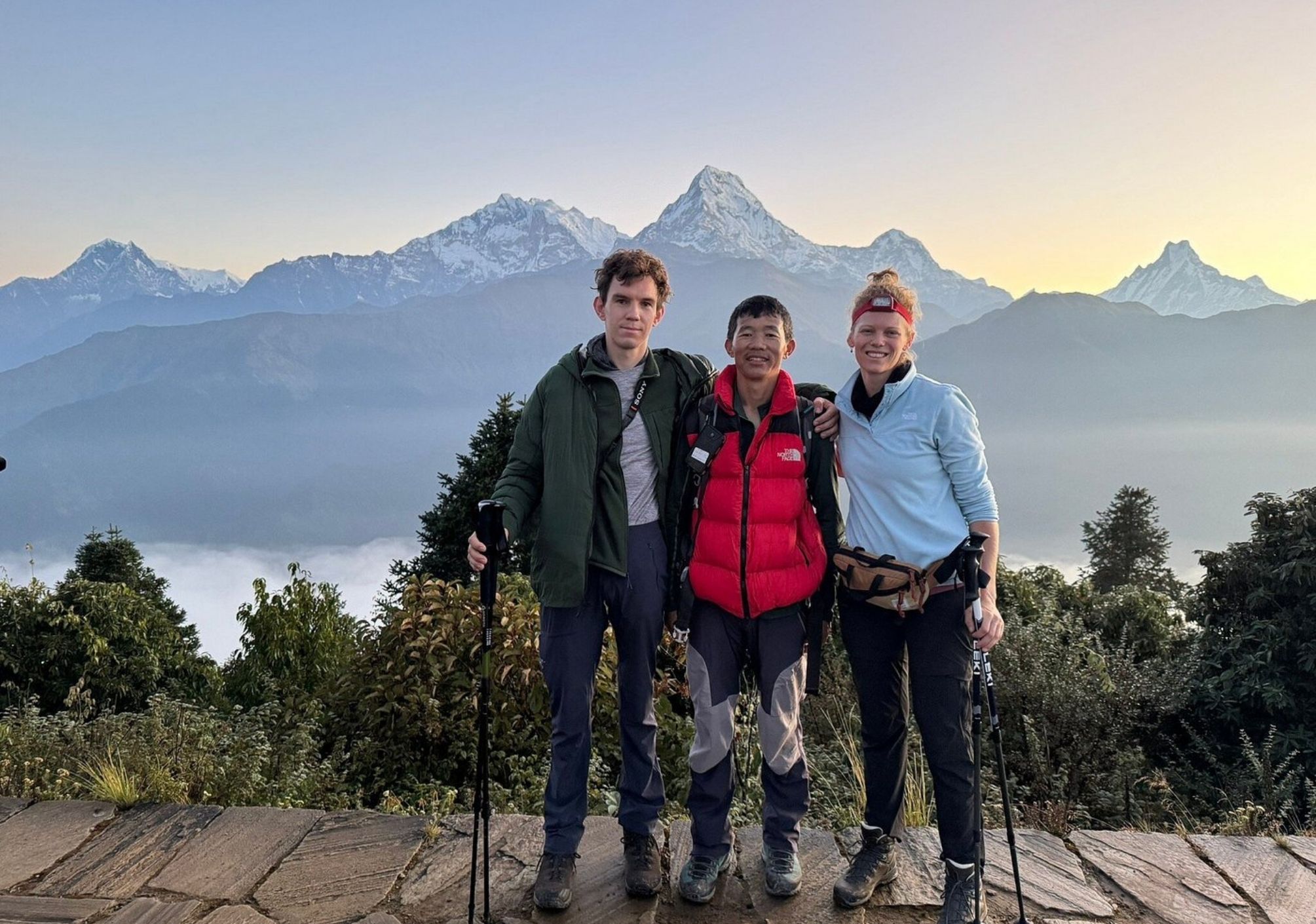
The trip starts in Kathmandu. After the pre-trip meeting, we board the bus to Pokhara, the starting point of our 6-day Annapurna trek. We walk through quiet Gurung villages and dense forests, far from the crowds. The first highlight is Muldai Viewpoint: a lesser-known vantage point with a panoramic view of the Annapurna and Dhaulagiri ranges. As impressive as Poon Hill, but noticeably quieter. The second highlight is Poon Hill itself. Up before sunrise, headlamps on, prayer flags snapping in the wind above as the Himalayan peaks turn from pink to gold.
After the trek, we return to Pokhara for a rest day beside Phewa Lake. Then we head south to Chitwan National Park in the south. The landscape changes completely: rice fields, warmer air and the first sounds of the jungle. We spend two days on safari by boat, on foot and by jeep, in search of one-horned rhinos, gharials, crocodiles and hundreds of rare bird species. And if we are lucky, a Bengal tiger.
The trip ends back in Kathmandu, with time to explore the city before flying home.
This trip is not a classic trekking journey. It is a complete introduction to Nepal: active, varied and never rushed.




Yes. This is one of our most accessible group trips. No prior trekking experience is required. The walks are manageable, the altitudes are moderate and the pace is relaxed. If you can walk for 4 to 5 hours a day and enjoy being outdoors, this trip is within reach.
Mulde is a less-visited viewpoint in the Annapurna foothills with a panoramic view of the Annapurna and Dhaulagiri ranges. It is at least as impressive as the famous Poon Hill, but far quieter. Most trekkers on the standard routes never make it here. On this trip, we visit both.
Chitwan National Park is home to the endangered and rare one-horned rhinoceros, Bengal tiger, gharial and mugger crocodile, sloth bear, leopard and over 680 species of wildlife including hundreds of rare birds.
Rhinos are spotted frequently. Tigers are rare but possible. What we see on any given day depends on the season, the time of day and a little luck.
The boat safari on the Rapti River is ideal for spotting crocodiles, gharials and waterbirds. The walking safari takes us through tall grass and forest, closer to the wildlife and more immersive. The jeep safari covers more ground and is best for spotting larger animals like rhinos and deer.
Depending on the season, the combination of activities may vary slightly.
Yes. You can add days before or after the group trip, in Kathmandu, Pokhara or anywhere else in Nepal. There’s so much more to explore!
Get in touch and we’ll build it into your trip.
Absolutely. Most people who join our group trips come on their own. You’ll share the experience with a small group of like-minded travellers and a guide who knows everyone by name.
Yes, that is possible at an extra cost. You’ll find the applicable supplement on the “Pricing & dates” tab.
Our group trip prices are based on shared rooms for two or three people as standard.
Absolutely. Get in touch and we’ll send you a tailor-made price proposal including your flights.
🏔️🌴 Nepal has one of the greatest altitude range of any country on earth
Along the northern border with Tibet rises Mount Everest at 8,849 m / 29,032 ft, the highest point on the planet. Just a few hundred kilometres to the south lies the Terai, a flat jungle plain barely 59 m / 194 ft above sea level. Compressed into that vertical distance live more than 125 distinct ethnic groups, speaking 123 different languages. On this trip we do not travel between the absolute extremes. We pass through three of those worlds, each with its own landscape, culture and people.
Pricing & dates
The price of the Himalaya & Jungle group trip is per person, based on sharing twin rooms.
Prefer your own hotel room in Kathmandu, Pokhara and Chitwan? The single room surcharge is 345 euro.
Included in this trip
- Airport transfer (arrival and departure)
- Comfortable hotel in Thamel, Kathmandu (including breakfast) – 4 nights
- Group dinner on the day of arrival
- Pre-trip meeting and briefing in Kathmandu
- All required trekking permits
- Licensed English speaking trekking guide (salary, transport, accommodation, meals, gear and insurance)
- Experienced mountain porter (salary, transport, accommodation, meals, gear and insurance)
- Transfer from Kathmandu to the trailhead
- All teahouse accommodation during your trek – 5 nights
- Breakfast, lunch and dinner during the trek

- Transfer from the trek endpoint to Pokhara
- Comfortable hotel in Lakeside, Pokhara (including breakfast) – 3 nights
- Bus from Pokhara to Sauraha
- Comfortable jungle lodge in Sauraha, Chitwan – 2 nights
- Breakfast, lunch and dinner in Sauraha
- Guided jungle safari in Chitwan National Park
- Bus from Sauraha back to Kathmandu
- 24/7 support from the By Mountain People team throughout your trip
- Booking secured through VZR Garant
- VAT and tourist service charge

Not included
- Any hot and cold drinks
- Insurance covering rescue and evacuation
- Tips
- All other expenses not listed under 'Included'
| Date | Availability | Participants | Price p.p. | |
|---|---|---|---|---|
| Sat, 6 Feb 2027 | Available | from 1,919 EURO | Join this group | |
| Sat, 27 Mar 2027 | Available | View | from 1,919 EURO | Join this group |
| Sat, 25 Dec 2027 | Available | from 1,919 EURO | Join this group |
Day-to-day program
This page shows you how the Nepal Himalaya & Jungle Group Trip is structured, day by day.
Note: walking times are indicative and depend on the walking pace.
You land at Tribhuvan International Airport. Your guide is waiting outside arrivals and takes you and the rest of the group directly to the hotel. The drive takes about 20 to 30 minutes, depending on traffic.
In the evening, the group heads out for dinner together. A great moment to meet each other and get to know one another. Welcome to Nepal. 🙏🏽


Time to rest, adjust and prepare.
Today you meet your guide, go through the itinerary and check your gear. Missing something? Your guide will take you to the outdoor shops nearby to get everything sorted.
Got everything you need? Take the rest of the day to recover from the jetlag, explore Thamel at your own pace or venture a little further into the city.
Sightseeing
Want to go for a small walk in the afternoon? Here are some ideas on walking distance from your hotel.

Swoyambhunath Stupa
Also known as the Monkey Temple, Swayambhunath sits on a hilltop about 20 minutes west of Thamel. The climb up the stone staircase is steep, but the reward is a panoramic view over Kathmandu and a stupa surrounded by dozens of resident monkeys. The all-seeing eyes painted on the tower watch over the city from every angle. One of the oldest religious sites in Nepal, revered by both Hindus and Buddhists.

Kathmandu Durbar Square
About 15 minutes on foot from Thamel, Kathmandu Durbar Square is the historic heart of the old city. The square was the seat of the Malla and Shah kings for centuries and is still used today for religious ceremonies, including those of the Kumari, the living goddess whose residence is located within the complex. The temples, courtyards and wooden carvings date back to the 15th and 16th centuries. Some structures are still being restored after the 2015 earthquake, but the square remains one of the most compelling places in the city. Walk there from Thamel and take the back streets: the journey is half the experience.
We board the bus to Pokhara. The road winds through hills, river valleys and terraced farmland. A journey that already feels like Nepal. By late afternoon, we arrive at our hotel. Dal bhat or pizza? The restaurants are right around the corner.


Early morning, we board our vehicle and drive from Pokhara to Kimche. This is where our trekking begins.
The trail climbs steadily through terraced fields and rhododendron forest until the stone houses and monastery of Ghandruk appear above us. This charming village is home to the Gurung people, known for the legendary Gorkha soldiers. In the afternoon, we explore the village at our own pace and settle in for the night.

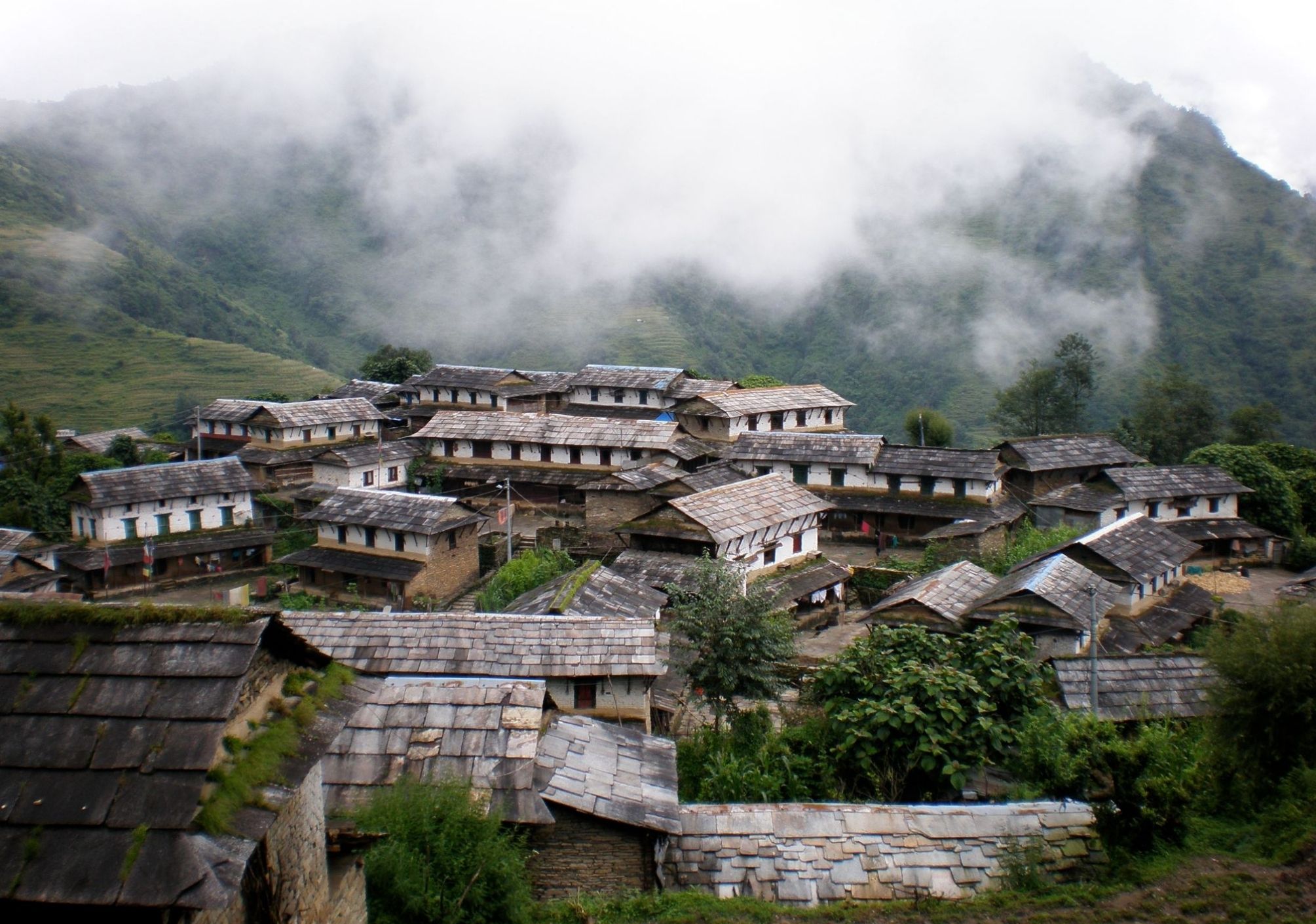
🏘️ Home of the Gurkha soldiers
Ghandruk is one of the largest Gurung villages in Nepal. The Gurung people have a long tradition of serving as Gurkha soldiers in the British and Indian armies. Many families here have at least one member who served. The money they sent home helped build the village into what it is today.
We climb from Ghandruk through dense oak and rhododendron forests towards Tadapani. The higher we get, the closer Annapurna South and Machhapuchhre seem. A steady climb with a big reward at the top.


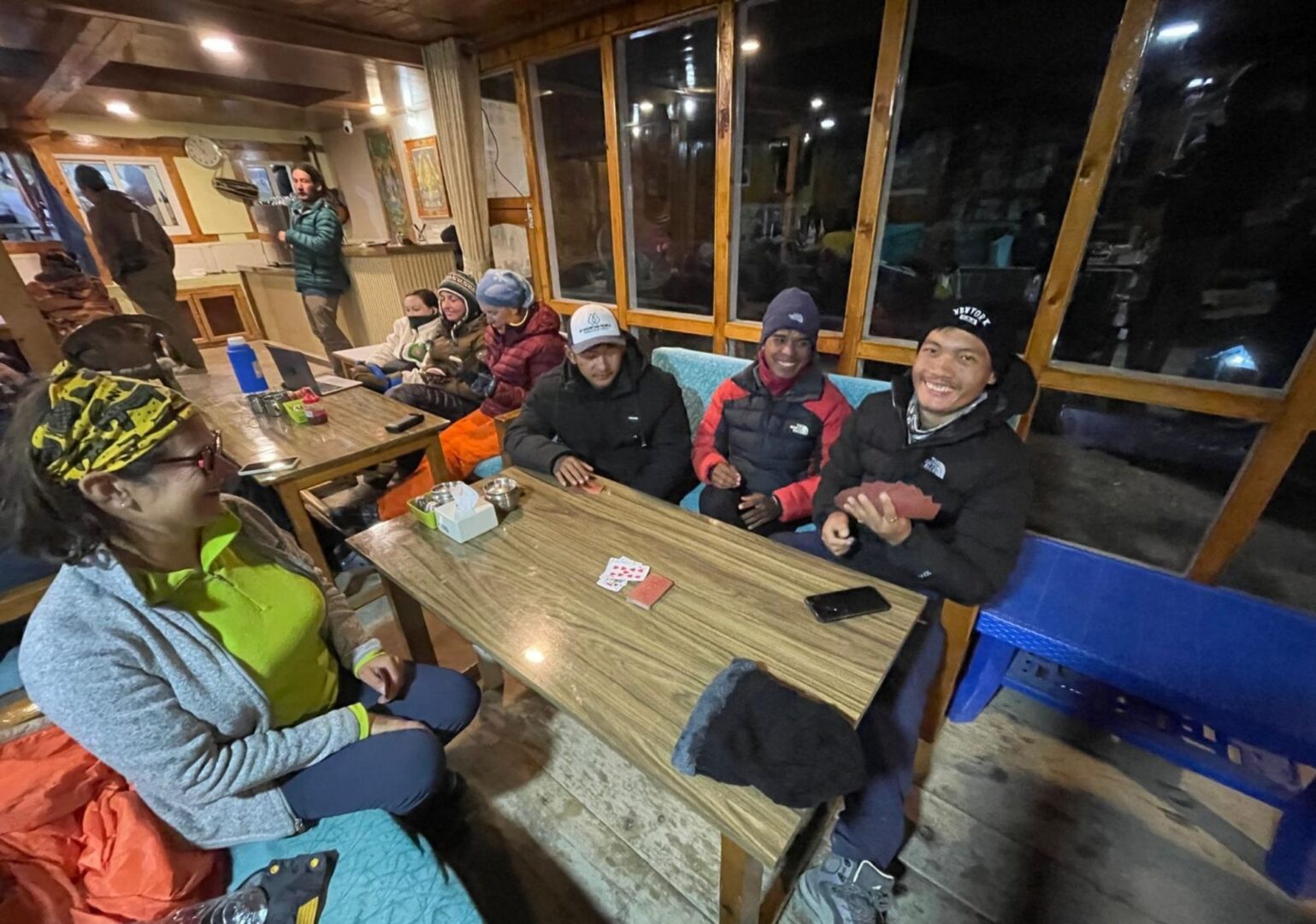
We leave Tadapani and trek through a quiet forest of moss-covered rocks towards Dobato. Views of the Annapurna range open up along the way. Dobato is simple, peaceful and basic. A good place to rest before the big morning.


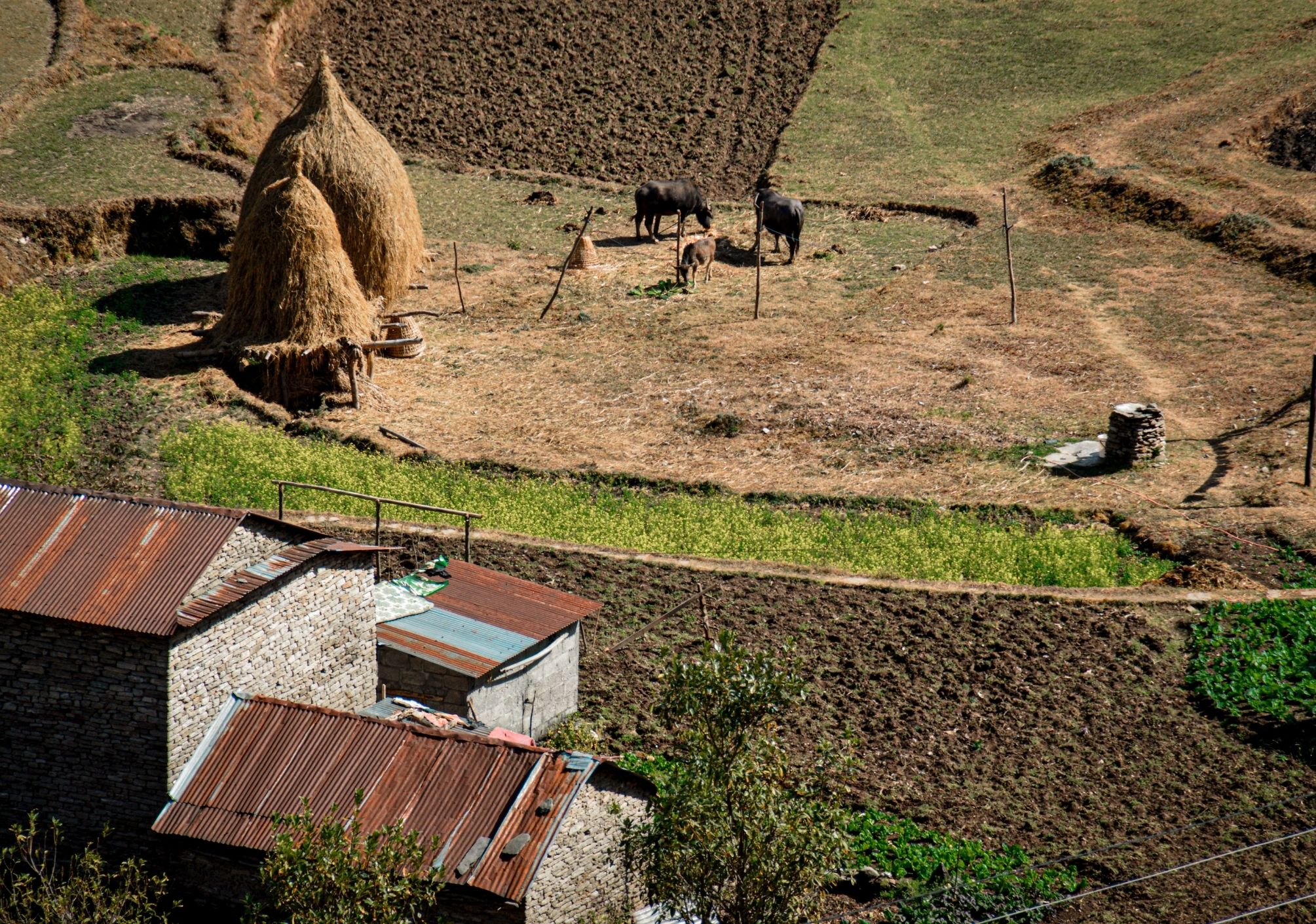
Up before sunrise. We hike to Mulde Viewpoint for a panoramic view of Annapurna, Machhapuchhre, Dhaulagiri and many more peaks, all at once. After breakfast in Dobato, we continue through rhododendron forests and small mountain villages to Ghorepani.
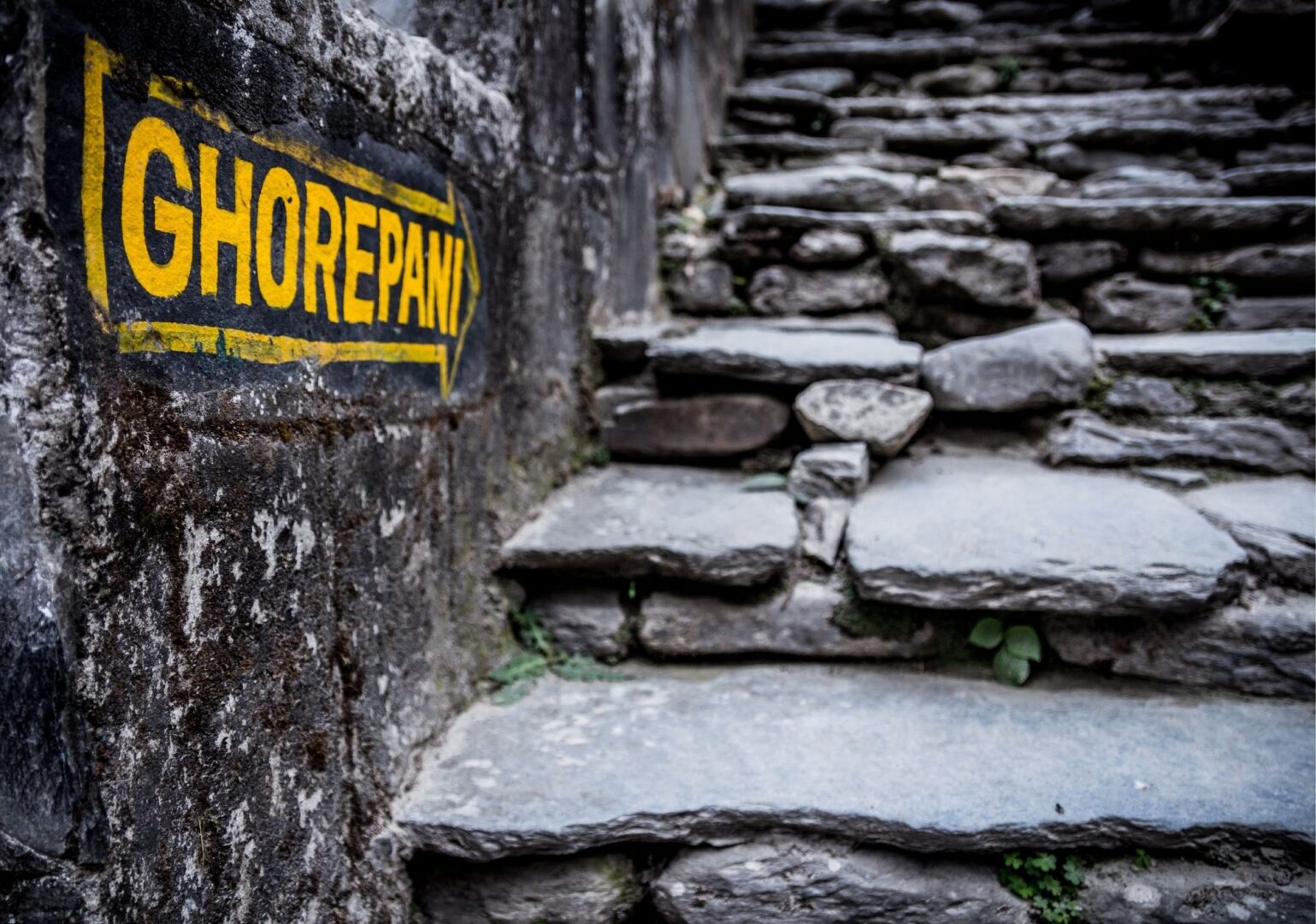

Headlamps on, and up we go! We climb to Poon Hill (3,210 m / 10,531 ft) in the dark and watch the snow-capped peaks turn from pink to gold at sunrise. If the small coffee shop is open, we can enjoy sunrise with a cup of coffee, chai tea or hot chocolate.
Then we go back to Ghorepani for breakfast, and descend to Ulleri.


It’s the final walking day of our trek. We walk down to Nayapul, board our vehicle and drive back to Pokhara.
The trek is done. Congrats! We walked through the heart of the Annapurna foothills, stood on two of its finest viewpoints and earned every step. 🎉
Pokhara feels warm and easy after the mountains.
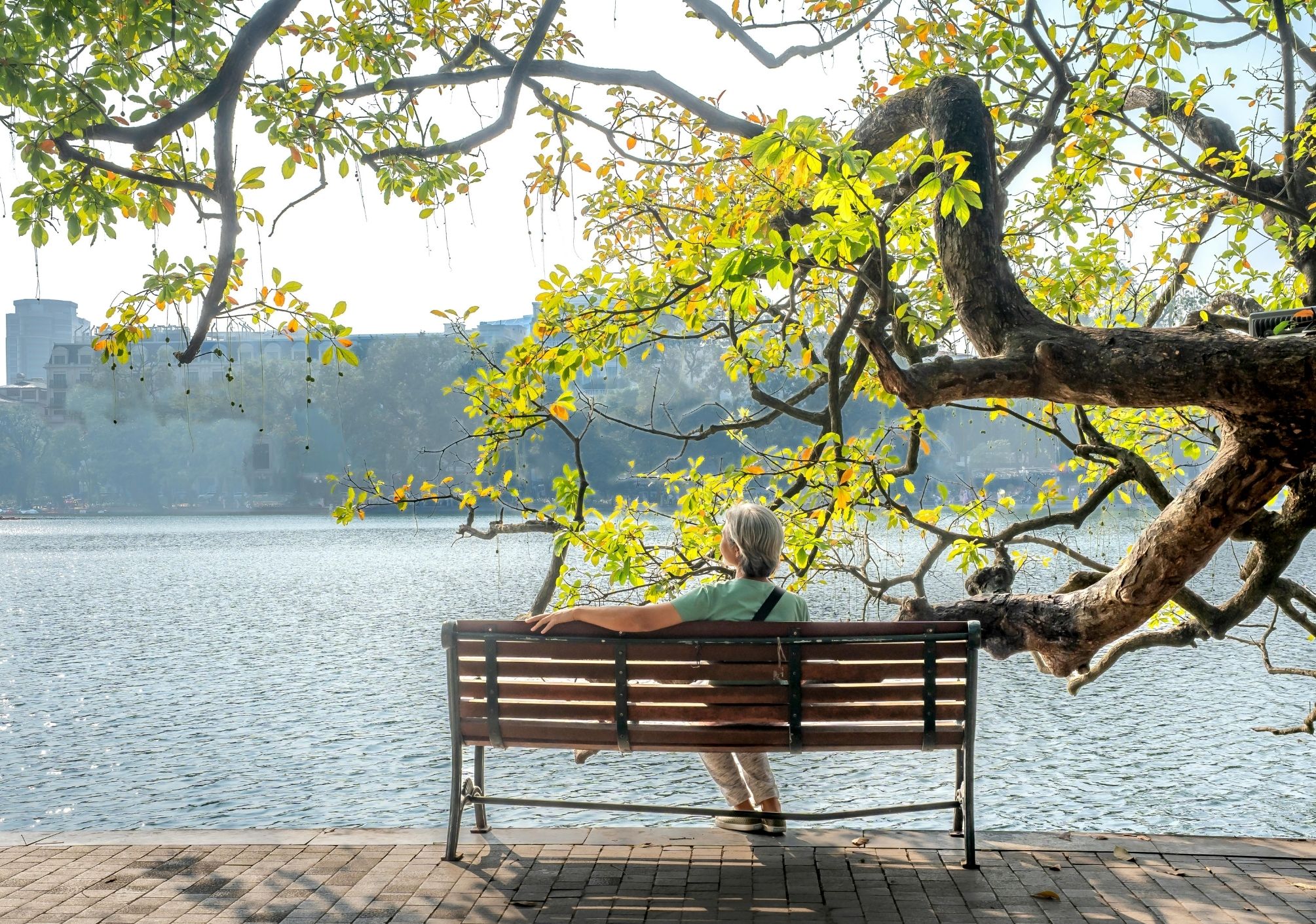
The day is yours. Explore Lakeside, take a boat out on Phewa Lake or simply sit somewhere with the Annapurnas in view.


🌊 A lake born from legend
According to local legend, Phewa Lake was formed when a goddess disguised as a beggar was scorned by the valley's people. As revenge, she flooded it, creating the lake. Real or legend, the result is remarkable: Nepal's second largest lake, with the Annapurna range reflected on its surface on clear mornings and a small Hindu temple on an island at its centre.
We head south. The landscape flattens and greens as we descend from the hills into the Terai, the lowland plain at the foot of the Himalayas. The air gets thicker and warmer. By the time we reach Sauraha, at the edge of Chitwan National Park, Nepal feels like a completely different country.


🐅 Nepal's first, and one of Asia's finest
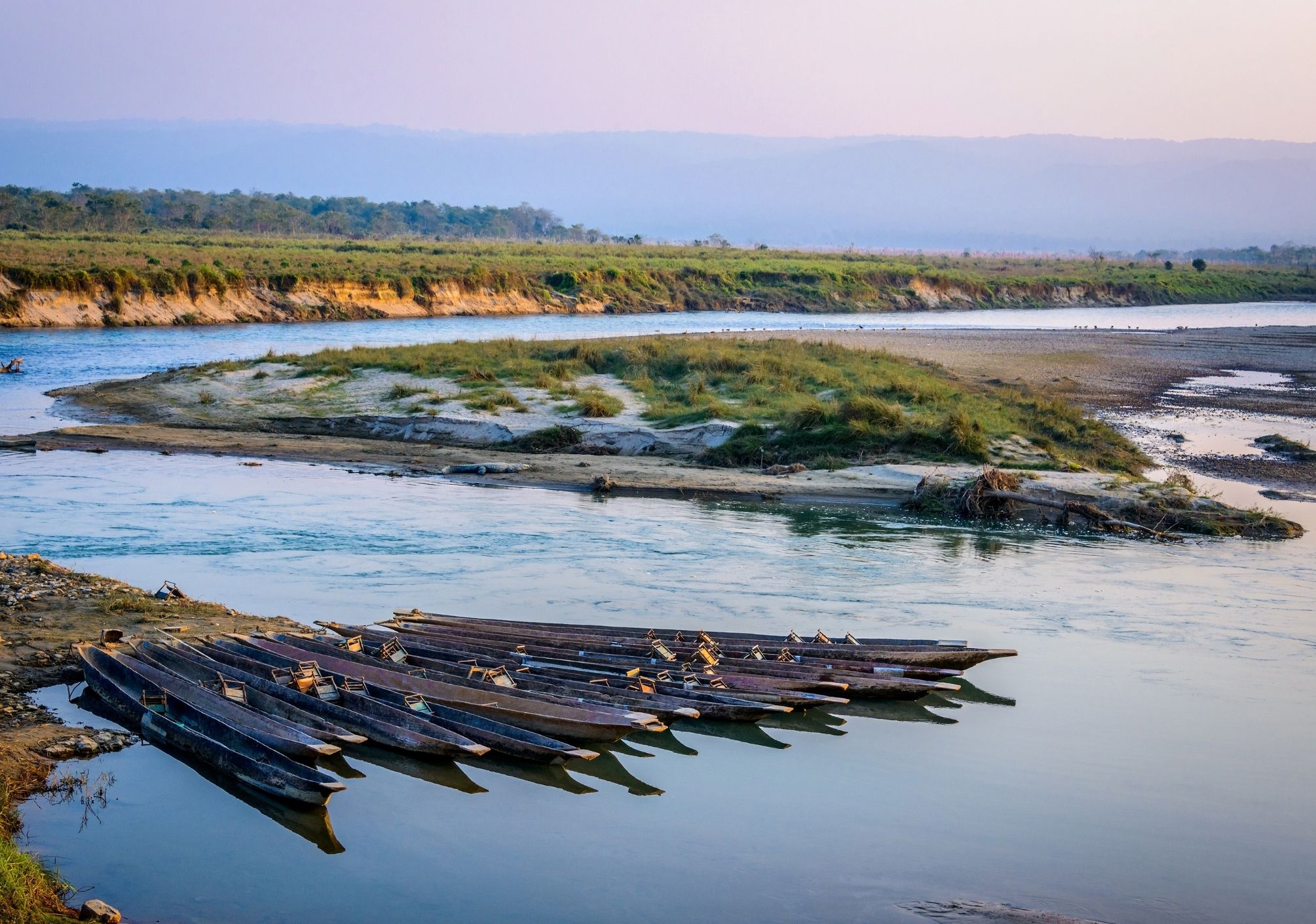
Chitwan was declared Nepal's first national park in 1973 and a UNESCO World Heritage Site in 1984. Today it is home to almost 700 one-horned rhinos, one of the world's most successful conservation stories. The park supports 68 mammal species and over 500 bird species. The Bengal tiger is present but rarely seen, which makes every sighting extraordinary.
We spend the day in the jungle. Morning and afternoon, by boat on the Rapti River, on foot through the tall grass and by jeep through the park.
The one-horned rhinoceros is the most iconic resident of Chitwan. Gharials and mugger crocodiles bask on the riverbanks. Hundreds of rare bird species fill the trees. And somewhere in the tall grass, a Bengal tiger moves unseen. or … if we are very lucky, seen.


Early morning, we board the flight back to Kathmandu. Forty minutes in the air and the mountains are already behind us. Back at the same hotel where our trip began.


A free day in the city. Visit Boudhanath Stupa, the sacred Pashupatinath Temple or the ancient streets of Bhaktapur. Pick up souvenirs or find a quiet spot in one of the many restaurants nearby.
Exploring Kathmandu for at least 1 day is a must when in Nepal.
Sightseeing
Kathmandu is an ancient city with many UNESCO World Heritage Sites. Want to explore the city today? Here are some ideas.

Pashupatinath Temple
The holiest Hindu temple in Nepal, dedicated to Lord Shiva in his form as Pashupati, protector of animals. The temple complex sits on the banks of the sacred Bagmati River, about 5 km from Thamel. Non-Hindus cannot enter the main temple, but the surrounding complex is open to all. From the eastern bank of the river, you can watch the cremation ghats and the daily rituals that have taken place here for centuries.

Bhaktapur Durbar Square
About 13 km east of Kathmandu lies Bhaktapur, a medieval city that feels like it has barely changed in centuries. The Durbar Square is also a UNESCO World Heritage Site and home to the Palace of 55 Windows, the five-story Nyatapola Temple and the ornate Golden Gate. Behind the square, Pottery Square is still a working craft centre where local artisans shape clay by hand, just as they have done for generations.

Boudhanathh stupa
One of the largest Buddhist stupas in the world and a UNESCO World Heritage Site. Boudhanath is the spiritual heart of the Tibetan community in Kathmandu. Walking the kora, the circular path around the stupa, alongside monks, pilgrims and locals is an experience that stays with you. The whitewashed dome, the prayer flags and the steady hum of chanting make this place unlike anywhere else in the city.
Your international flight departs from Tribhuvan International Airport in Kathmandu.
Goodbye friends! We hope you will cherish the memories we’ve made together forever. And see you on the next adventure!
Walking & pace
We usually start the day early. Breakfast is at 7 AM, and we leave the lodge around 8. The morning hours are when the air is freshest and the views are at their clearest.
We stop for lunch towards the end of the morning. Lunch is freshly prepared, warm and unhurried. It can take a while for the food to come out, but that is part of the rhythm. You sit down, drink something, rest your legs and refuel for the afternoon.
In the afternoon, we usually walk a little further to reach the lodge for the night. By around five, we sit down for an early dinner. We order breakfast for the next morning at the same time, so it is ready when we are.
Throughout the day there is plenty of time to drink water, reapply sunscreen, take photos and simply look around. The mountains are not in a hurry, and neither are we.
Route

Altitude

More information
This is an accessible trip, suitable if you’re reasonably fit and enjoys being outdoors. No prior trekking experience is required. The highest point of the trek is Mulde Viewpoint at approximately 3,500 m / 11,483 ft. The Poon Hill climb reaches 3,210 m / 10,531 ft.
The paths are well-maintained and clearly marked. Expect forest trails, stone staircases and some short steep sections. Teahouses during the trek provide simple, warm accommodation and three freshly cooked meals a day.
Quick facts
- Route type: one way mountain trek + jungle safari
- Total distance: approximately X km /X mi
- Starting point trek: Kimche (1,750 m / 5,740 ft)
- Highest point trek: Mulde Viewpoint La Pass (3,637 m / 11,930 ft)
- End point trek: Nayapul (1,070 m / 3,510 ft)
- Number of trekking days: 6
- Highlights along the way:
- Ghandruk village
- Mulde viewpoint
- Poon Hill sunrise
- Pokhara Fewa Lake
- Chitwan National Park
- Kathmandu Valley
Practical
Everything you need to know before you go. Below you’ll find answers to the most frequently asked questions about this trip. Can’t find what you’re looking for? Feel free to reach out.
The best preparation is simply walking. Preferably several days in a row, with a backpack and elevation gain. In the months before departure, build up to walking days of 5 to 6 hours. Work on your overall fitness with cardio training (running, cycling, swimming) and don’t neglect your legs: squats, lunges and stair training work wonders.
Just as important: break in your hiking boots in time. New boots in Nepal are a guaranteed recipe for blisters. Ideally, start your training 3 months before departure, or earlier.
Once your booking is confirmed, you’ll receive all the practical information you need to leave well prepared. This includes visa information, recommended vaccinations and a detailed packing list.
After arriving in Kathmandu, there’s a pre-trip meeting with your guide. We go through the route, the latest weather forecasts and there’s plenty of room for any final questions. We also do a gear check, to make sure you have everything you need for the trip. Missing something, or not sure about your gear? We’ll head out together to sort it. Kathmandu has plenty of good outdoor shops. 😉
During the mountain trek you sleep in teahouses: simple mountain lodges with firm mattresses, pillows and blankets against the cold, and dal bhat in the shared dining room.
Expect a twin room, a shared bathroom and cold water. A hot shower or wifi is sometimes possible, usually for a small extra fee. Charging your electronics is always possible, sometimes for a small fee. And then there is the warm fire in the dining room, friendly hospitality and views no hotel can match. This is the Himalaya.
PS: even though pillows and blankets are provided, we recommend bringing your own warm sleeping bag. The nights at altitude get cold, and your own bag makes a real difference. After booking, you’ll receive a detailed packing list that helps you prepare for both the trek and the nights in the lodges.
We stay at a 4-star jungle lodge in Sauraha, a step up from the teahouses on the trek. Think comfortable rooms, a garden, good food and the sounds of the jungle at night.
Altitude sickness can affect anyone. Regardless of age, fitness or experience. Even the most seasoned mountain walkers can struggle with it.
The best prevention is going up slowly. That’s why our itinerary deliberately includes acclimatisation days where needed. This gives your body time to adjust to the altitude.
Drink plenty of water and listen to your body. Headaches, dizziness or nausea are signals to take seriously. Our guides are trained to recognise symptoms and will adjust the programme if necessary.
And if you do get altitude sickness? Descending is the only right choice. No debate, no hesitation. That’s not failure. That’s wisdom.
For more information, read our blog about altitude sickness.
Yes, always.
The teahouse menu is plant-based by nature and offers plenty of choice. Three warm meals a day are freshly cooked in the teahouse kitchen. Breakfast options include porridge, pancakes, omelette and local bread. For lunch and dinner, expect dal bhat, curry, lentil soup, noodles, dumplings, spring rolls and pasta.
We strongly advise against eating meat on the trail. Ingredients are often carried in on foot and cannot always be kept properly refrigerated. Vegetarian and vegan options are the safer and more reliable choice.
Every group trip includes a porter; one porter per two people. Your porter carries a maximum of 16 kg / 35 lbs in total, which means up to 8 kg / 18 lbs per person.
We provide a duffel bag on loan for the duration of the trek. Everything you do not need during the day goes into the duffel, and your porter takes care of the rest. Our porters often set their own pace and walk ahead, so by the time you arrive at the next teahouse, your bag is usually already waiting for you.
Keep your valuables and anything you need on the trail in your own daypack. Like passports, cash, snacks, water, rain jacket, camera. These items stay with you.
If you feel uncertain about hiring a porter, there is no need to. For porters, this work is the first step towards becoming a guide. They learn the routes from the inside. They gain experience working with international travellers. And they pick up English and other languages along the way. The porter carrying your bag today may well be leading his own group through these mountains in a few years.
Nepal Group Trip – Mountains and Jungle
- A complete journey through Nepal's three landscapes: hills, mountains and jungle. All in one trip
- Two sunrise viewpoints in one trek: famous Poon Hill and quiet Muldai Hill
- Spot rhinos, crocodiles and maybe even a Bengal tiger in the jungle


Annapurna Base Camp, the Sanctuary Route
Ask a question about this trek
Khopra Danda, the Quiet Annapurna Trail
Ask a question about this trek
Excited to explore Nepal?
Now let's make it real. Browse our trips or request a quote. We are a small Nepal trekking company, so you will hear from us personally ASAP.


Our own local team on the ground. Dutch certified. The best of both worlds.
By hiring local guides and porters, you help them earn a good income close to home.
Financially protected through VZR Garant and the Calamity Fund.
In a nutshell
During the Complete Nepal Trip – Annapurna Trek & Jungle Safari you cover 3 completely different sides of Nepal in just 15 days. Kathmandu’s temples and prayer flags. Mountain villages and rhododendron forests in the Annapurna foothills. And the wild, flat jungle of Chitwan, where rhinos wade through tall grass and tigers move unseen.
The trip starts in Kathmandu. After the pre-trip meeting, we board the bus to Pokhara, the starting point of our 6-day Annapurna trek. We walk through quiet Gurung villages and dense forests, far from the crowds. The first highlight is Muldai Viewpoint: a lesser-known vantage point with a panoramic view of the Annapurna and Dhaulagiri ranges. As impressive as Poon Hill, but noticeably quieter. The second highlight is Poon Hill itself. Up before sunrise, headlamps on, prayer flags snapping in the wind above as the Himalayan peaks turn from pink to gold.
After the trek, we return to Pokhara for a rest day beside Phewa Lake. Then we head south to Chitwan National Park in the south. The landscape changes completely: rice fields, warmer air and the first sounds of the jungle. We spend two days on safari by boat, on foot and by jeep, in search of one-horned rhinos, gharials, crocodiles and hundreds of rare bird species. And if we are lucky, a Bengal tiger.
The trip ends back in Kathmandu, with time to explore the city before flying home.
This trip is not a classic trekking journey. It is a complete introduction to Nepal: active, varied and never rushed.
Note: This is a suggested itinerary. Your trip is custom-made to fit your wishes and experience. Tell us what your preferences. And we’ll draft a personalised day-to-day program.

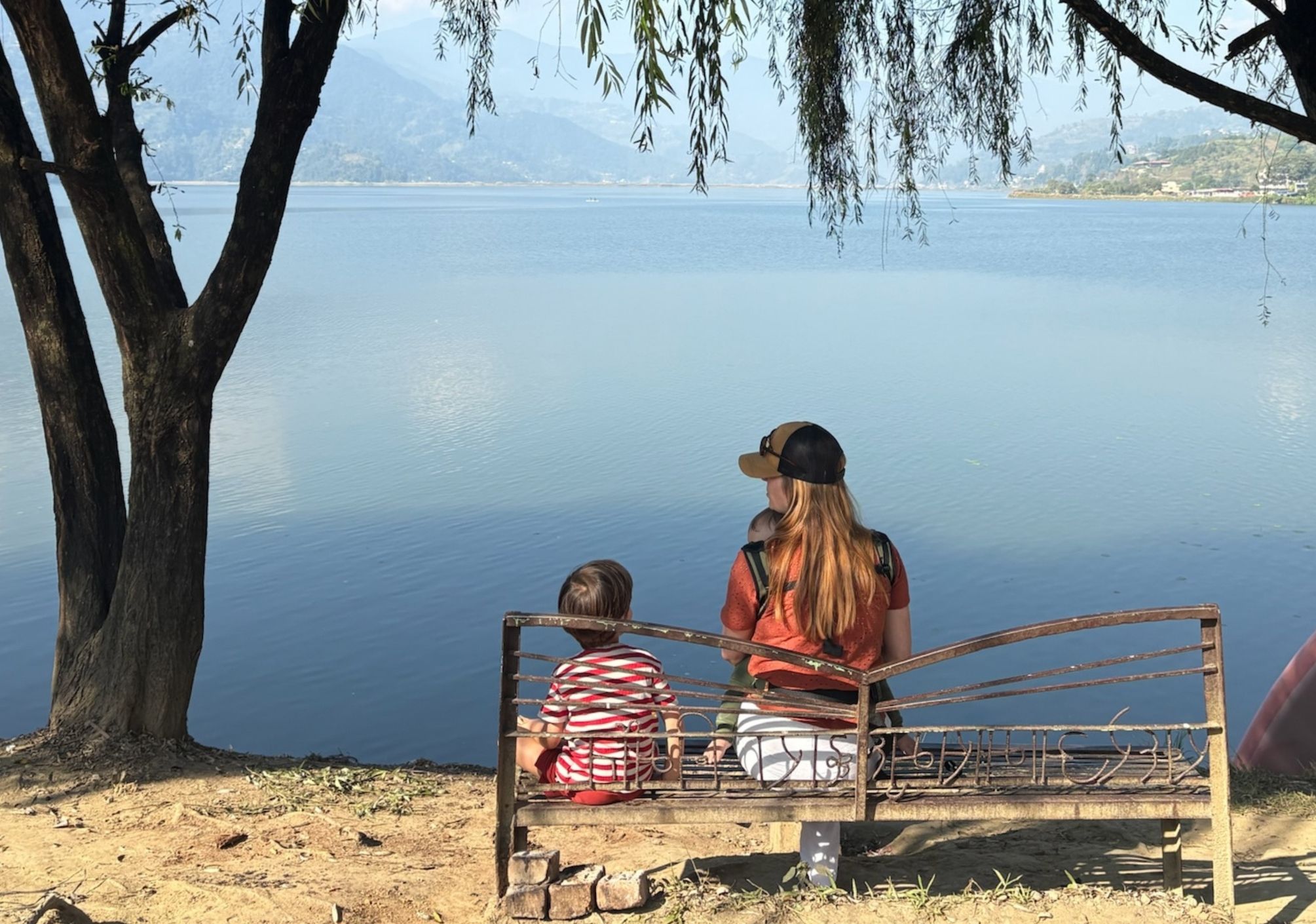

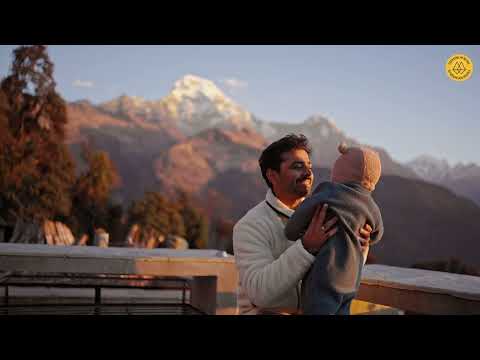
We recommend this trip for children from age 8. The daily stages are short and the terrain is varied but not technically demanding. A reasonable base fitness and a positive mindset are enough, no prior trekking experience is needed.
Yes. This is a custom trip built around your family. If someone needs an extra rest day, a shorter stage or a different pace, we adjust. That is exactly what a custom trip is for.
Between 3 and 5 hours per day on most days. The stages are kept deliberately short to maintain a pace that works for the whole family. There is always time to stop, explore and take things in.
Halfway through the day, we stop at a mountain lodge for a warm lunch. Think: pancakes, toast, rice or noodles, freshly cooked and never rushed.
Autumn (October and November) and Spring (February through May) are the best seasons for traveling in Nepal. The weather is stable, the skies are clear.
Autumn is slightly busier. Winter is quiet, but can be colder in the mountains. Still, it’s enjoyable with the right gear and sleeping bags. Spring is a little quieter than autumn, with rhododendron forests in full bloom along the trails.
Mulde is a less-visited viewpoint in the Annapurna foothills with a panoramic view of the Annapurna and Dhaulagiri ranges. It is at least as impressive as the famous Poon Hill, but far quieter. Most trekkers on the standard routes never make it here. On this trip, we visit both.
Chitwan National Park is home to the endangered and rare one-horned rhinoceros, Bengal tiger, gharial and mugger crocodile, sloth bear, leopard and over 680 species of wildlife including hundreds of rare birds.
Rhinos are spotted frequently. Tigers are rare but possible. What we see on any given day depends on the season, the time of day and a little luck.
The boat safari on the Rapti River is ideal for spotting crocodiles, gharials and waterbirds. The walking safari takes us through tall grass and forest, closer to the wildlife and more immersive. The jeep safari covers more ground and is best for spotting larger animals like rhinos and deer.
Depending on the season, the combination of activities may vary slightly.
This is a suggested itinerary. A plan that shows what a complete family trip in Nepal can look like. Not how it has to go.
Get in touch and we’ll create a trek that fits the level of fitness and experience of your family.
Absolutely. Our family treks are designed with children in mind, but they are also enjoyable for adults travelling without kids. The routes are beautiful, the pace is relaxed and the landscapes are just as rewarding.
Get in touch and we will tailor the itinerary to your wishes.
🏔️🌴 Nepal has one of the greatest altitude range of any country on earth
Along the northern border with Tibet rises Mount Everest at 8,849 m / 29,032 ft, the highest point on the planet. Just a few hundred kilometres to the south lies the Terai, a flat jungle plain barely 59 m / 194 ft above sea level. Compressed into that vertical distance live more than 125 distinct ethnic groups, speaking 123 different languages. On this trip we do not travel between the absolute extremes. We pass through three of those worlds, each with its own landscape, culture and people.
What’s included
The price of this trip is per person, based on four people travelling together and sharing a family room or two double rooms.
Not a family of four? Just send us a message and we will get back to you with a proposal that fits.
Included in this trip
- Airport transfer (arrival and departure)
- Comfortable hotel in Thamel, Kathmandu (including breakfast) – 4 nights
- Welcome dinner on the day of arrival
- Pre-trip meeting and briefing in Kathmandu
- All required trekking permits
- Licensed English speaking trekking guide (salary, transport, accommodation, meals, gear and insurance)
- Experienced mountain porter (salary, transport, accommodation, meals, gear and insurance)
- Bus from Kathmandu to Pokhara
- Comfortable hotel in Lakeside, Pokhara (including breakfast) – 3 nights
- Transfer from Pokhara to the trailhead and back
- All teahouse accommodation during the trek – 5 nights
- Breakfast, lunch and dinner during the trek
- Transfer from the trek endpoint to Pokhara
- Bus from Pokhara to Sauraha
- Comfortable jungle lodge in Sauraha, Chitwan – 2 nights
- Breakfast, lunch and dinner in Sauraha
- Guided jungle safari in Chitwan National Park
- Bus from Sauraha back to Kathmandu
- 24/7 support from the By Mountain People team throughout your trip
- Booking secured through the Calamity Fund
- Booking secured through VZR Garant
- VAT and tourist service charge
Not included
- Any hot and cold drinks
- Insurance covering rescue and evacuation
- Tips
- All other expenses not listed under 'Included'
Day-to-day program
This is an example itinerary. It shows you how a complete trip in Nepal, including city sightseeing, mountain trekking and jungle safari can be structured, day by day. Because we tailor every journey to your wishes and experience, the exact program may vary.
Note: walking times are indicative and depend on your walking pace.
You land at Tribhuvan International Airport. Your guide is waiting outside arrivals and takes you and the rest of the group directly to the hotel. The drive takes about 20 to 30 minutes, depending on traffic.
Welcome to Nepal. 🙏🏽
Time to rest, adjust and prepare.
Today you meet your guide, go through the itinerary and check your gear. Missing something? Your guide will take you to the outdoor shops nearby to get everything sorted.
Got everything you need? Take the rest of the day to recover from the jetlag, explore Thamel at your own pace or venture a little further into the city.
Sightseeing
Want to go for a small walk in the afternoon? Here are some ideas on walking distance from your hotel.
Swoyambhunath Stupa
Also known as the Monkey Temple, Swayambhunath sits on a hilltop about 20 minutes west of Thamel. The climb up the stone staircase is steep, but the reward is a panoramic view over Kathmandu and a stupa surrounded by dozens of resident monkeys. The all-seeing eyes painted on the tower watch over the city from every angle. One of the oldest religious sites in Nepal, revered by both Hindus and Buddhists.
Kathmandu Durbar Square
About 15 minutes on foot from Thamel, Kathmandu Durbar Square is the historic heart of the old city. The square was the seat of the Malla and Shah kings for centuries and is still used today for religious ceremonies, including those of the Kumari, the living goddess whose residence is located within the complex. The temples, courtyards and wooden carvings date back to the 15th and 16th centuries. Some structures are still being restored after the 2015 earthquake, but the square remains one of the most compelling places in the city. Walk there from Thamel and take the back streets: the journey is half the experience.
We board the bus to Pokhara. The road winds through hills, river valleys and terraced farmland. A journey that already feels like Nepal. By late afternoon, we arrive at our hotel. Dal bhat or pizza? The restaurants are right around the corner.
🚙💨 Prefer a private vehicle or domestic flight?
That's possible. It's faster, a bit more flexible and includes some great stops along the way. Get in touch for details.
Early morning, we board our vehicle and drive from Pokhara to Kimche. This is where our trekking begins.
The trail climbs steadily through terraced fields and rhododendron forest until the stone houses and monastery of Ghandruk appear above us. This charming village is home to the Gurung people, known for the legendary Gorkha soldiers. In the afternoon, we explore the village at our own pace and settle in for the night.
🏘️ Home of the Gurkha soldiers
Ghandruk is one of the largest Gurung villages in Nepal. The Gurung people have a long tradition of serving as Gurkha soldiers in the British and Indian armies. Many families here have at least one member who served. The money they sent home helped build the village into what it is today.
We climb from Ghandruk through dense oak and rhododendron forests towards Tadapani. The higher we get, the closer Annapurna South and Machhapuchhre seem. A steady climb with a big reward at the top.

We leave Tadapani and trek through a quiet forest of moss-covered rocks towards Dobato. Views of the Annapurna range open up along the way. Dobato is simple, peaceful and basic. A good place to rest before the big morning.
Up before sunrise. We hike to Mulde Viewpoint for a panoramic view of Annapurna, Machhapuchhre, Dhaulagiri and many more peaks, all at once. After breakfast in Dobato, we continue through rhododendron forests and small mountain villages to Ghorepani.
Headlamps on, and up we go! We climb to Poon Hill (3,210 m / 10,531 ft) in the dark and watch the snow-capped peaks turn from pink to gold at sunrise. If the small coffee shop is open, we can enjoy sunrise with a cup of coffee, chai tea or hot chocolate.
Then we go back to Ghorepani for breakfast, and descend to Ulleri.
It’s the final walking day of our trek. We walk down to Nayapul, board our vehicle and drive back to Pokhara.
The trek is done. Congrats! We walked through the heart of the Annapurna foothills, stood on two of its finest viewpoints and earned every step. 🎉
Pokhara feels warm and easy after the mountains.
The day is yours. Explore Lakeside, take a boat out on Phewa Lake or simply sit somewhere with the Annapurnas in view.
🌊 A lake born from legend
According to local legend, Phewa Lake was formed when a goddess disguised as a beggar was scorned by the valley's people. As revenge, she flooded it, creating the lake. Real or legend, the result is remarkable: Nepal's second largest lake, with the Annapurna range reflected on its surface on clear mornings and a small Hindu temple on an island at its centre.
We head south. The landscape flattens and greens as we descend from the hills into the Terai, the lowland plain at the foot of the Himalayas. The air gets thicker and warmer. By the time we reach Sauraha, at the edge of Chitwan National Park, Nepal feels like a completely different country.
🐅 Nepal's first, and one of Asia's finest
Chitwan was declared Nepal's first national park in 1973 and a UNESCO World Heritage Site in 1984. Today it is home to almost 700 one-horned rhinos, one of the world's most successful conservation stories. The park supports 68 mammal species and over 500 bird species. The Bengal tiger is present but rarely seen, which makes every sighting extraordinary.
We spend the day in the jungle. Morning and afternoon, by boat on the Rapti River, on foot through the tall grass and by jeep through the park.
The one-horned rhinoceros is the most iconic resident of Chitwan. Gharials and mugger crocodiles bask on the riverbanks. Hundreds of rare bird species fill the trees. And somewhere in the tall grass, a Bengal tiger moves unseen. or … if we are very lucky, seen. 😍
Early morning, we board the bus back to Kathmandu.
🚙💨 Prefer a private vehicle or domestic flight?
That's possible. It's faster, a bit more flexible and includes some great stops along the way. Get in touch for details.
A free day in the city. Visit Boudhanath Stupa, the sacred Pashupatinath Temple or the ancient streets of Bhaktapur. Pick up souvenirs or find a quiet spot in one of the many restaurants nearby.
Exploring Kathmandu for at least 1 day is a must when in Nepal.
Sightseeing
Kathmandu is an ancient city with many UNESCO World Heritage Sites. Want to explore the city today? Here are some ideas:
Pashupatinath Temple
The holiest Hindu temple in Nepal, dedicated to Lord Shiva in his form as Pashupati, protector of animals. The temple complex sits on the banks of the sacred Bagmati River, about 5 km from Thamel. Non-Hindus cannot enter the main temple, but the surrounding complex is open to all. From the eastern bank of the river, you can watch the cremation ghats and the daily rituals that have taken place here for centuries.
Bhaktapur Durbar Square
About 13 km east of Kathmandu lies Bhaktapur, a medieval city that feels like it has barely changed in centuries. The Durbar Square is also a UNESCO World Heritage Site and home to the Palace of 55 Windows, the five-story Nyatapola Temple and the ornate Golden Gate. Behind the square, Pottery Square is still a working craft centre where local artisans shape clay by hand, just as they have done for generations.
Boudhanathh stupa
One of the largest Buddhist stupas in the world and a UNESCO World Heritage Site. Boudhanath is the spiritual heart of the Tibetan community in Kathmandu. Walking the kora, the circular path around the stupa, alongside monks, pilgrims and locals is an experience that stays with you. The whitewashed dome, the prayer flags and the steady hum of chanting make this place unlike anywhere else in the city.
Your international flight departs from Tribhuvan International Airport in Kathmandu.
Goodbye friends! We hope you will cherish the memories we’ve made together forever. And see you on the next adventure! 🙏🏽
Walking & pace
During the Annapurna trek, we usually start the day early. Breakfast is at 7 AM, and we leave the lodge around 8. The morning hours are when the air is freshest and the views are at their clearest.
We stop for lunch towards the end of the morning. Lunch is freshly prepared, warm and unhurried. It can take a while for the food to come out, but that is part of the rhythm. You sit down, drink something, rest your legs and refuel for the afternoon.
In the afternoon, we usually walk a little further to reach the lodge for the night. By around five, we sit down for an early dinner. We order breakfast for the next morning at the same time, so it is ready when we are.
Throughout the day there is plenty of time to drink water, reapply sunscreen, take photos and simply look around. The mountains are not in a hurry, and neither are we.
Route
Altitude

More information
his is an accessible trip, suitable if you’re reasonably fit and enjoys being outdoors. No prior trekking experience is required. The highest point of the trek is Mulde Viewpoint at approximately 3,500 m / 11,483 ft. The Poon Hill climb reaches 3,210 m / 10,531 ft.
The paths are well-maintained and clearly marked. Expect forest trails, stone staircases and some short steep sections. Teahouses during the trek provide simple, warm accommodation and three freshly cooked meals a day.
Quick facts
- Route type: one way mountain trek + jungle safari
- Total distance: approximately X km /X mi
- Starting point trek: Kimche (1,750 m / 5,740 ft)
- Highest point trek: Mulde Viewpoint La Pass (3,637 m / 11,930 ft)
- End point trek: Nayapul (1,070 m / 3,510 ft)
- Number of trekking days: 6
- Highlights along the way:
- Ghandruk village
- Mulde viewpoint
- Poon Hill sunrise
- Pokhara Fewa Lake
- Chitwan National Park
- Kathmandu Valley
Practical
Everything you need to know before you go. Below you’ll find answers to the most frequently asked questions about this trip. Can’t find what you’re looking for? Feel free to reach out.
The best preparation is simply walking. Preferably several days in a row, with a backpack and elevation gain. In the months before departure, build up to walking days of 5 to 6 hours. Work on your overall fitness with cardio training (running, cycling, swimming) and don’t neglect your legs: squats, lunges and stair training work wonders.
Just as important: break in your hiking boots in time. New boots in Nepal are a guaranteed recipe for blisters. Ideally, start your training 3 months before departure, or earlier.
Once your booking is confirmed, you’ll receive all the practical information you need to leave well prepared. This includes visa information, recommended vaccinations and a detailed packing list.
After arriving in Kathmandu, there’s a pre-trip meeting with your guide. We go through the route, the latest weather forecasts and there’s plenty of room for any final questions. We also do a gear check, to make sure you have everything you need for the trip. Missing something, or not sure about your gear? We’ll head out together to sort it. Kathmandu has plenty of good outdoor shops. 😉
During the mountain trek you sleep in teahouses: simple mountain lodges with firm mattresses, pillows and blankets against the cold, and dal bhat in the shared dining room.
Expect a twin room, a shared bathroom and cold water. A hot shower or wifi is sometimes possible, usually for a small extra fee. Charging your electronics is always possible, sometimes for a small fee. And then there is the warm fire in the dining room, friendly hospitality and views no hotel can match. This is the Himalaya.
PS: even though pillows and blankets are provided, we recommend bringing your own warm sleeping bag. The nights at altitude get cold, and your own bag makes a real difference. After booking, you’ll receive a detailed packing list that helps you prepare for both the trek and the nights in the lodges.
We stay at a 4-star jungle lodge in Sauraha, a step up from the teahouses on the trek. Think comfortable rooms, a garden, good food and the sounds of the jungle at night.
Altitude sickness can affect anyone. Regardless of age, fitness or experience. Even the most seasoned mountain walkers can struggle with it.
The best prevention is going up slowly. That’s why our itinerary deliberately includes acclimatisation days where needed. This gives your body time to adjust to the altitude.
Drink plenty of water and listen to your body. Headaches, dizziness or nausea are signals to take seriously. Our guides are trained to recognise symptoms and will adjust the programme if necessary.
And if you do get altitude sickness? Descending is the only right choice. No debate, no hesitation. That’s not failure. That’s wisdom.
For more information, read our blog about altitude sickness.
Yes, always.
The teahouse menu is plant-based by nature and offers plenty of choice. Three warm meals a day are freshly cooked in the teahouse kitchen. Breakfast options include porridge, pancakes, omelette and local bread. For lunch and dinner, expect dal bhat, curry, lentil soup, noodles, dumplings, spring rolls and pasta.
We strongly advise against eating meat on the trail. Ingredients are often carried in on foot and cannot always be kept properly refrigerated. Vegetarian and vegan options are the safer and more reliable choice.
Yes. Our individual trips are custom trips, and hiring a porter is optional and can be added to your booking. Most people travelling as a pair share one porter. The porter carries a maximum of 15 kg (33 lbs) in a duffel bag, which we provide on loan for the duration of the trek.
Hiring a porter is more than a practical choice. It is one of the most direct ways to contribute to the local economy. Portering is an important source of income and often the first step into the tourism sector for young people from mountain communities. It is how most of the guides started out. They learn the trekking routes, work with international travellers, pick up English and other languages, and build the experience needed to become a guide themselves.
If you feel uncertain about hiring a porter, there is no need to. At By Mountain People their work is valued, the pay is fair and the opportunity matters. If you would like to add a porter to your trip or have questions, get in touch and we will put together a proposal.
Complete Nepal Family Trip – Trekking, Jungle and Culture, the Best of 3 Worlds
- Two sunrise viewpoints in one trek: famous Poon Hill and quiet Mulde Hill
- Spot rhinos, crocodiles and maybe even a Bengal tiger in the jungle
- A complete journey through Nepal's 3 landscapes: hills, mountains and jungle
Annapurna Base Camp, the Sanctuary Route
Ask a question about this trekKhopra Danda, the Quiet Annapurna Trail
Ask a question about this trekExcited to explore Nepal?
Now let's make it real. Browse our trips or request a quote. We are a small Nepal trekking company, so you will hear from us personally ASAP.

Our own local team on the ground. Dutch certified. The best of both worlds.
By hiring local guides and porters, you help them earn a good income close to home.
Financially protected through VZR Garant and the Calamity Fund.
In a nutshell
The Inner Expedition is not a standard trekking trip in Nepal. It is a 13-day journey that invites you to slow down, turn inward and reconnect with what truly matters. The mountains, the temples and the silence do the work. You just have to show up.
The journey is guided by two people who each bring their own expertise. Rosalie Teeuwen from Lighting Up is a coach and facilitator with over 15 years of experience in personal leadership. Govinda Dhakal, co-founder of By Mountain People, was born and raised in Nepal and knows the country from the inside out. Together they create this safe space for movement, depth and rest. Outside and within.
The trip takes you from the living chaos of Kathmandu to the stillness of a Buddhist Monastery, the calm of Pokhara and the mountain villages of the Annapurna foothills. Along the way, there are moments of silence, reflection, optional Kundalini sessions, a multi-day trek through the Himalaya. And there’s enough time to speak individually with the facilitator. The pace slows naturally. The landscape does what no city ever could.
This is not a trip you just do. It is a trip that stays with you. Long after you are home.
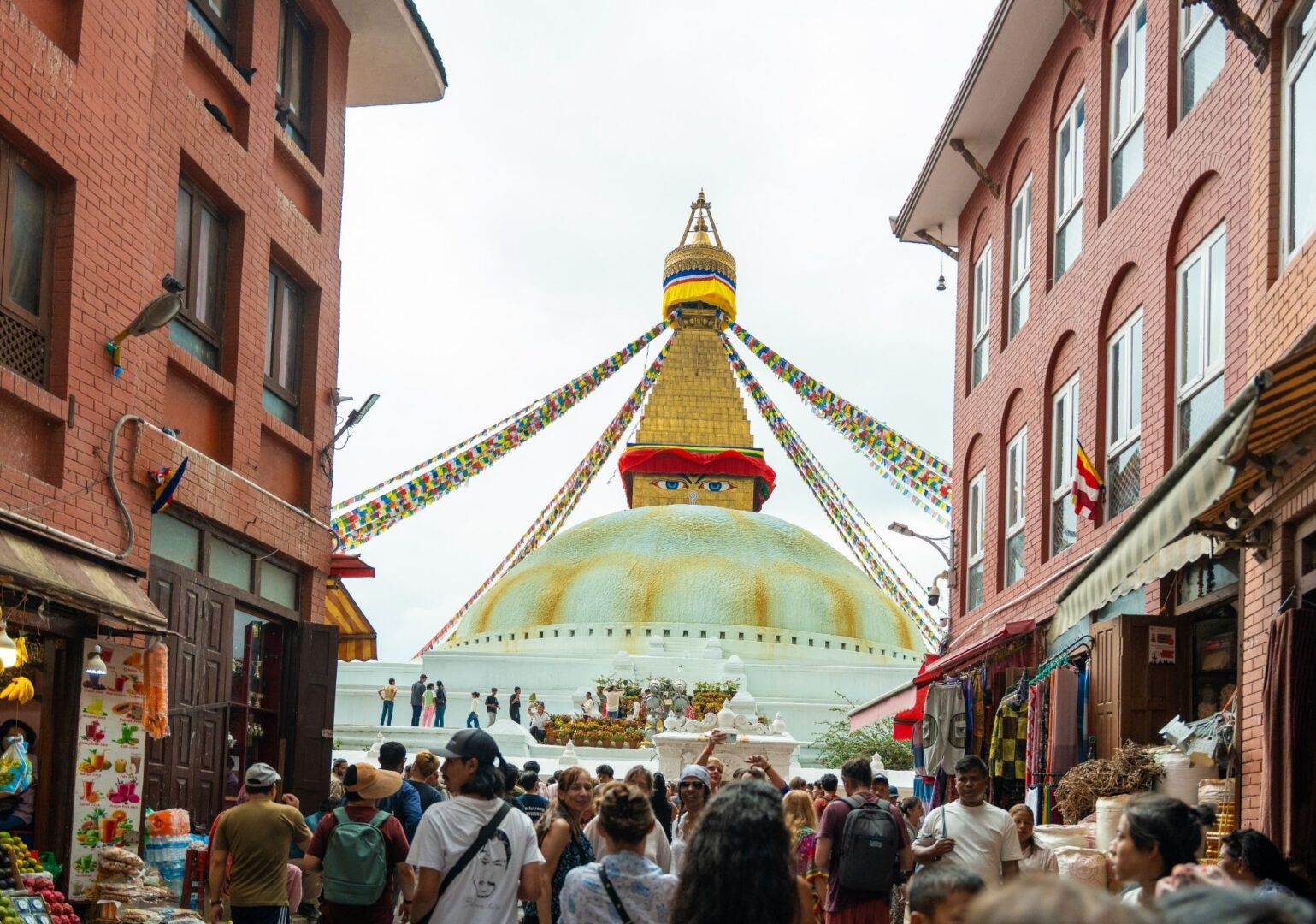

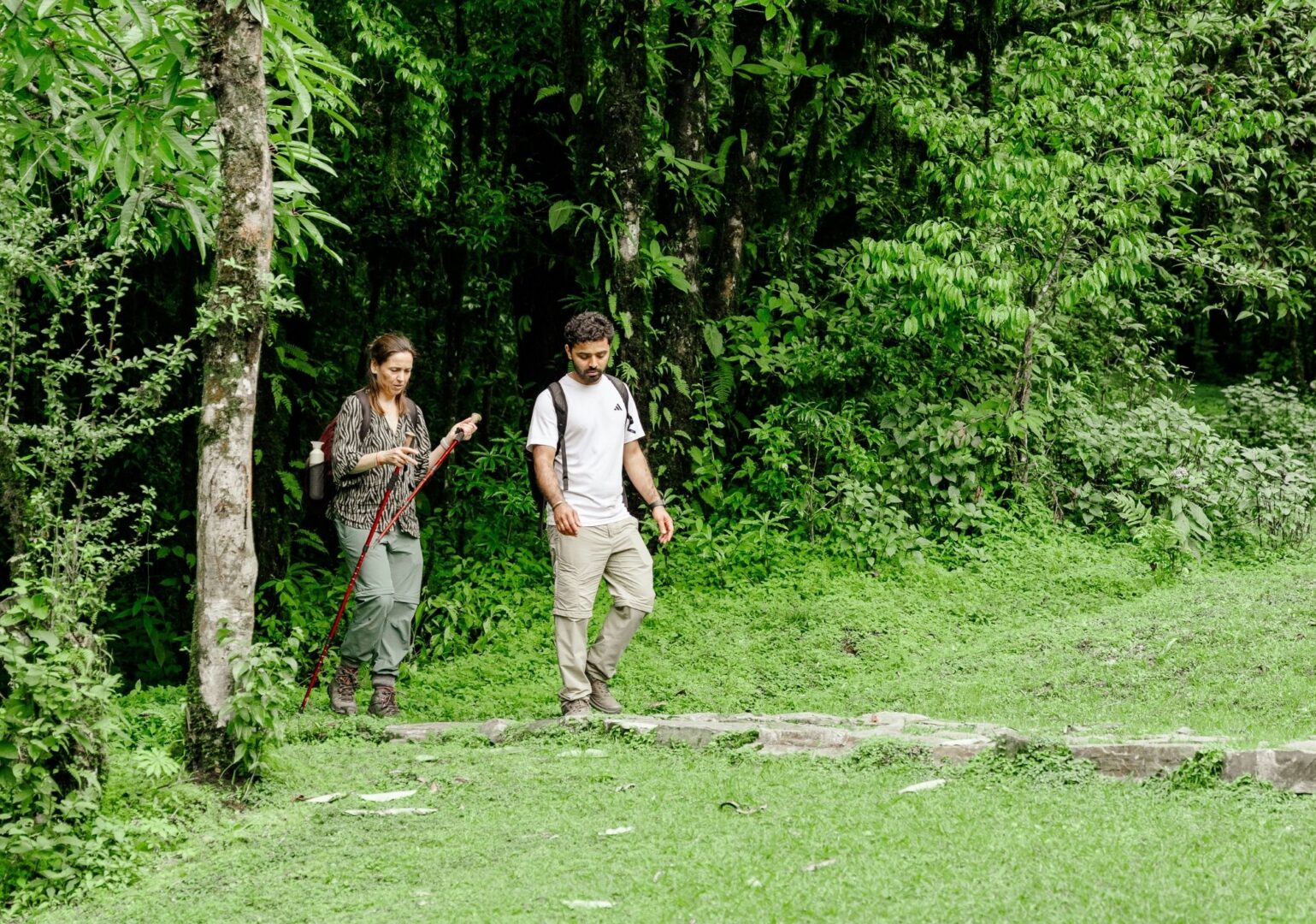
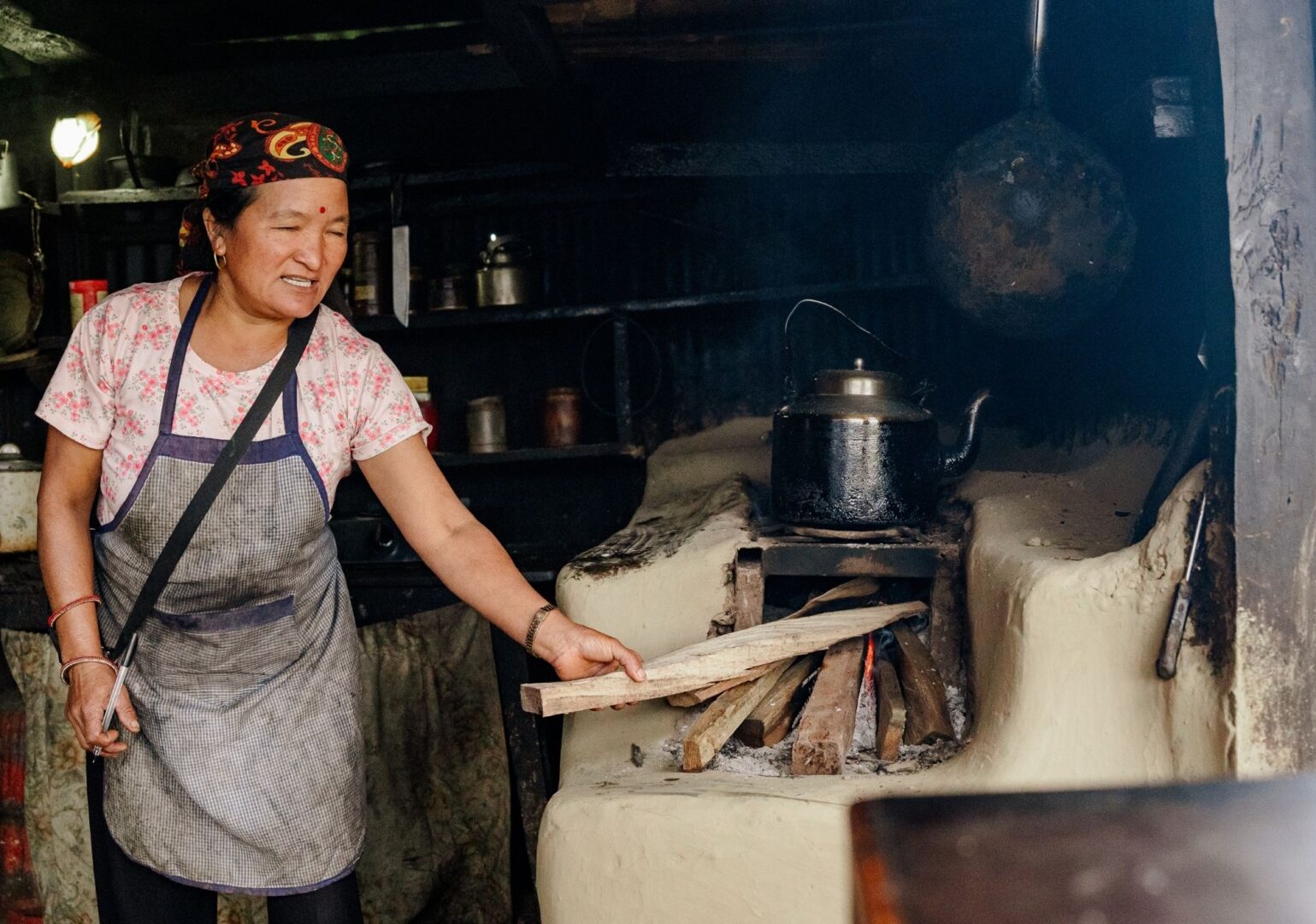

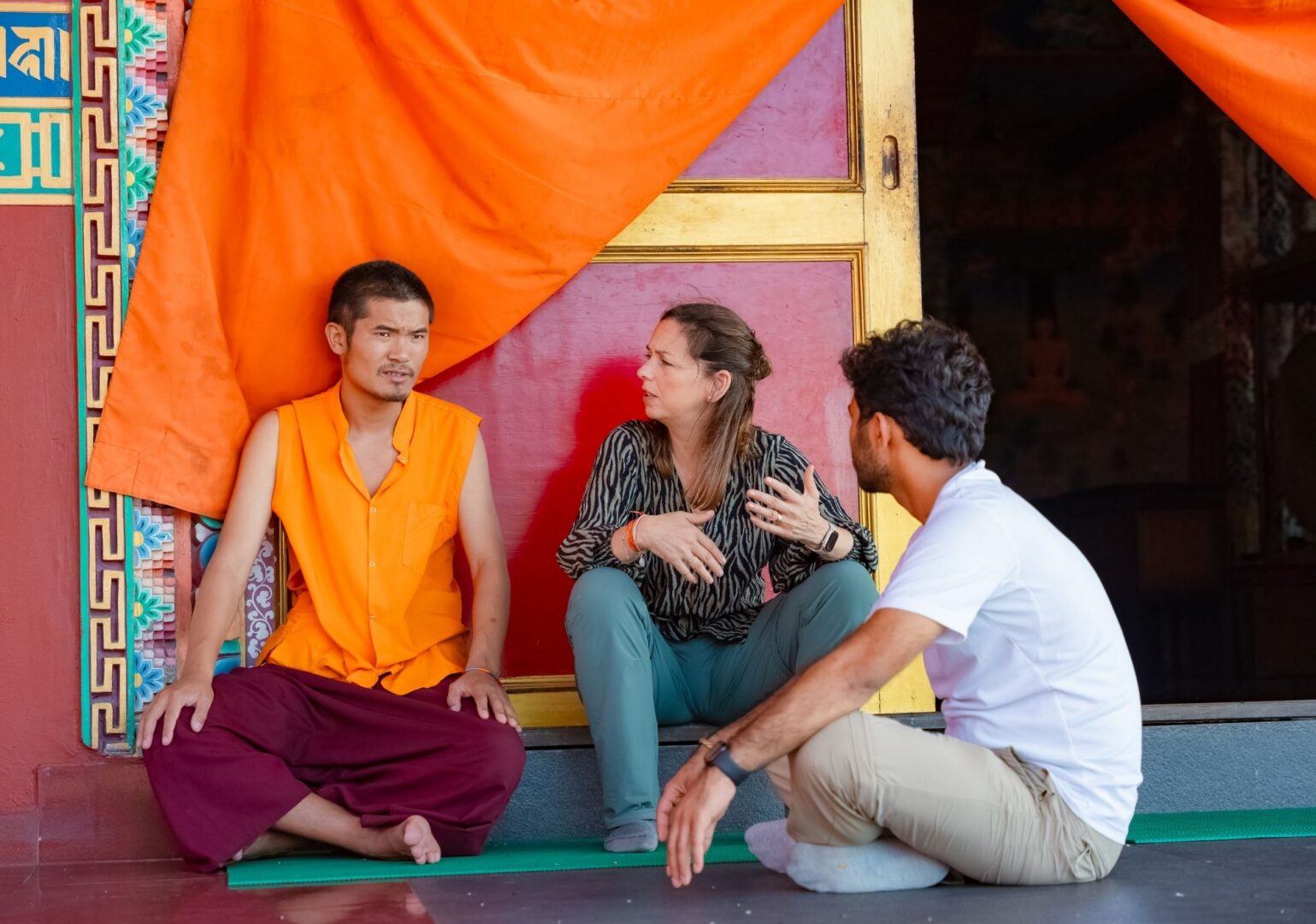
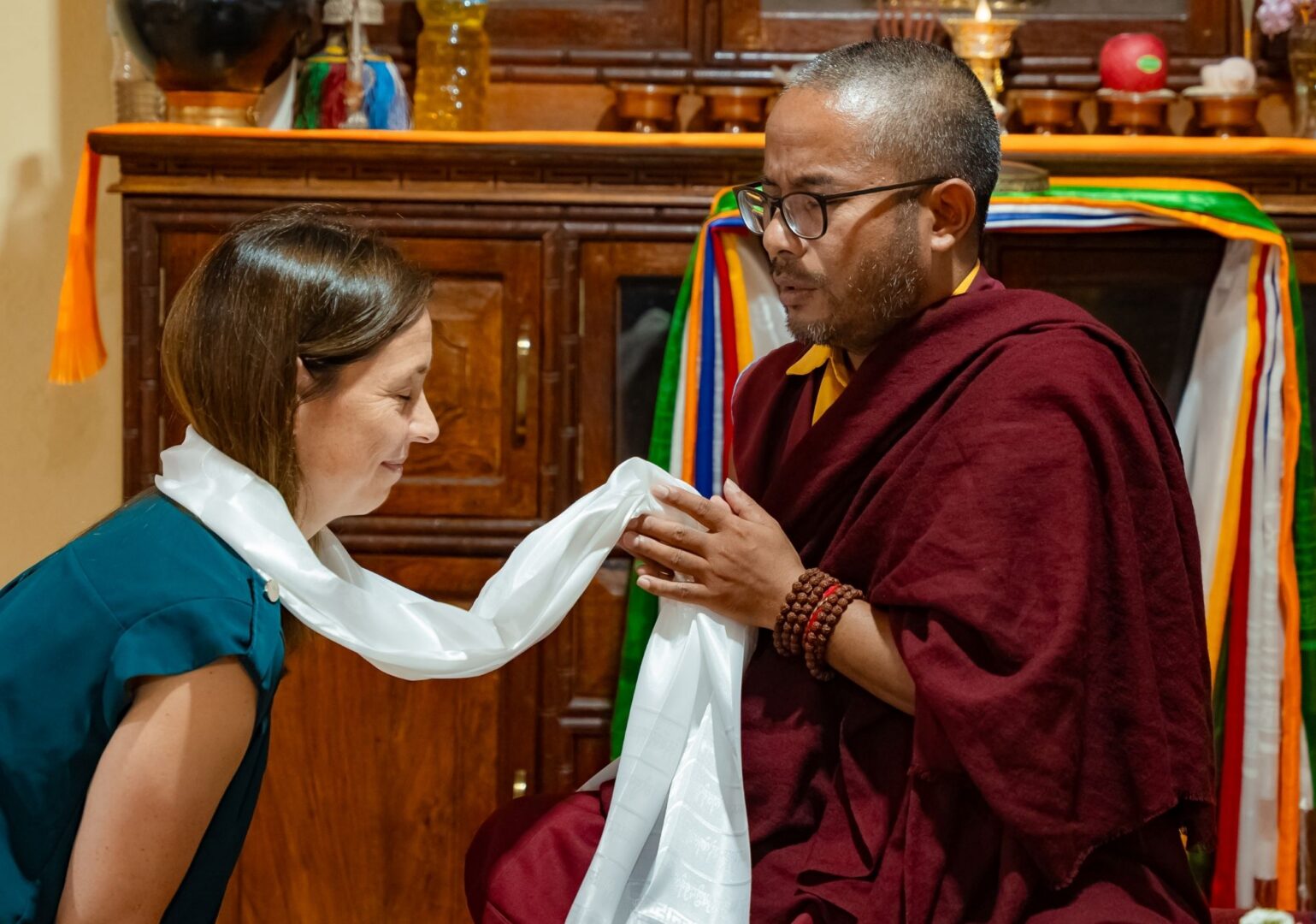
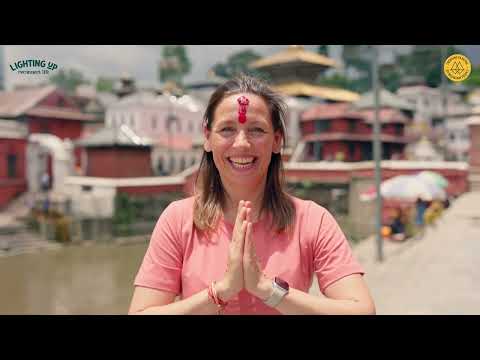
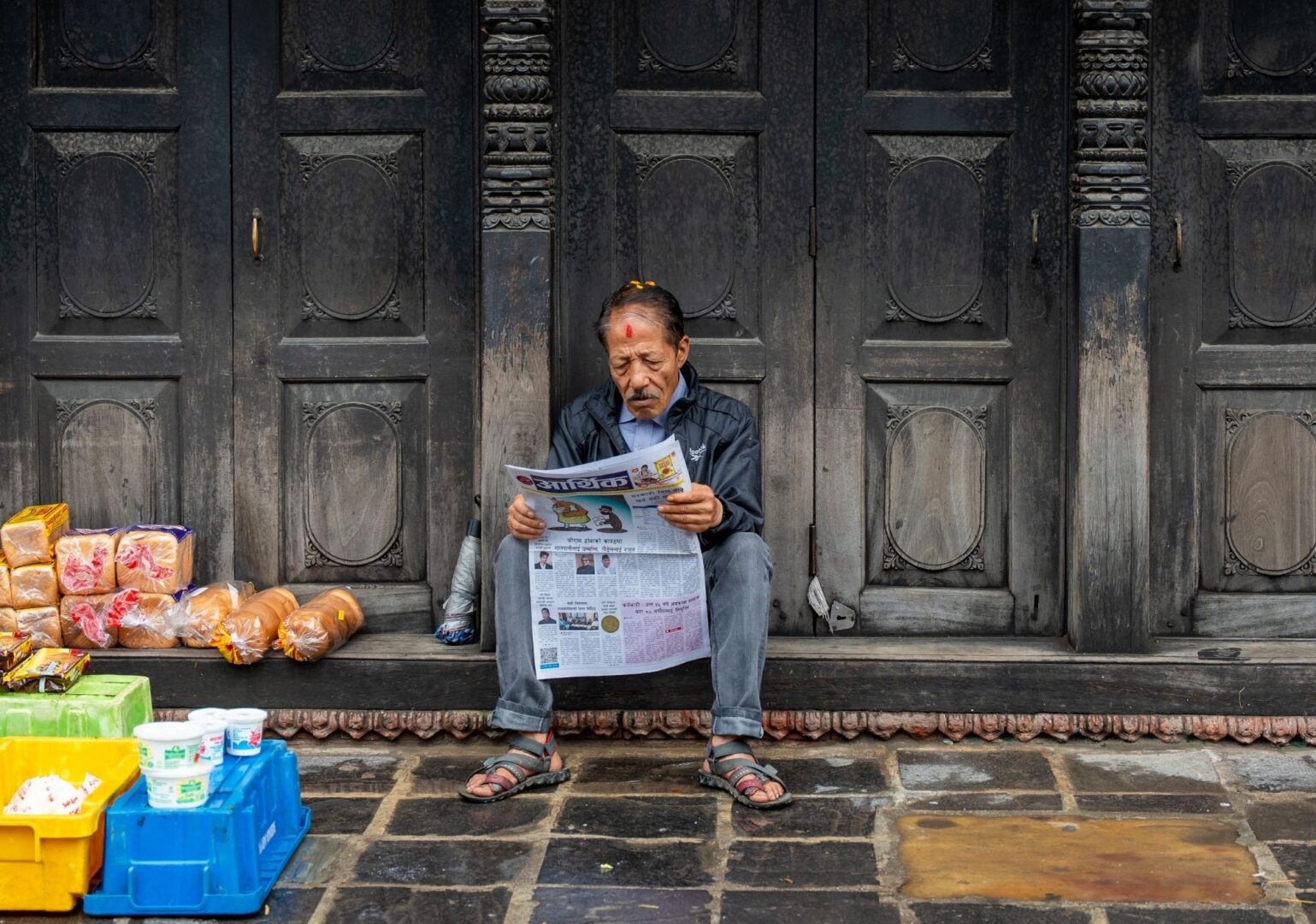
Rosalie Teeuwen is a coach and facilitator at Lighting Up with over 15 years of experience in personal leadership.
Govinda Dhakal is co-founder of the travel company By Mountain People, born and raised in Nepal.
Together they guide this trip from start to finish.
Rosalie creates space for reflection throughout the journey: through group conversations, silence, Kundalini sessions if you like and moments of individual attention. This is not therapy. It is gentle, grounded guidance that supports whatever needs to surface.
Kundalini NRGY Awakening is an energetic practise that uses touch and music to support inner awakening and connection. It is an invitation to return to your true essence. Kundalini is an ancient tradition rooted in the Vedic scriptures. This practise helpt you move out of the mind and deeper into the body and emotional awareness.
We work with your own intelligent energy field and do not force anything. Your body knows exactly what it needs.
Max 14 people. The group is kept small to ensure personal attention and a safe, intimate atmosphere.
No. The trek is suitable if you walk regularly and are in reasonable physical shape. No prior trekking experience is required.
🤲 The Inner Expedition
Where silence breathes, and you return to yourself.
What’s included
The price of The Inner Expedition is per person, based on two people travelling together and sharing a twin or double room.
Prefer your own room? The single room surcharge is 385 euro.
Included
- Personal intake, opening session and closing session with Rosalie and Govinda
- Personal guidance throughout the journey by Rosalie (Lighting Up)
- Travel guidance in Nepal by Govinda (By Mountain People)
- International flight from Amsterdam Schiphol to Nepal and back
- All transfers in Nepal
- Pre-trip meeting and briefing in Kathmandu
- Welcome dinner on the first evening in Nepal
- Comfortable hotel in Kathmandu, including breakfast (Hotel Barahi) – 4 nights
- Authentic homestay in Namo Buddha Monastery – 2 nights
- Breakfast & dinner with the monks in Namo Buddha Monastery
- All required hiking permits
- Local mountain porter during the hike (salary, transport, accommodation, meals, gear and insurance)
- Authentic homestay accommodation during the hike
- Breakfast, lunch and dinner during the hike
- Authentic homestay in Tashi Palkhel Monastery, Pokhara – 2 nights
- Breakfast & in Tashi Palkhel Monastery
- Guided UNESCO heritage tour in Kathmandu – 1 day
- Secured booking with Calamiteitenfonds (natural disaster and civil unrest coverage)
- Secured booking with VZR Garant (insolvency protection)
- VAT and tourist service charge
Not included
- Tourist visa (approx. 25 euro)
- Travel health insurance covering rescue and evacuation (mandatory in Nepal)
- Lunch and dinner in the cities
- Any hot and cold drinks
- Heritage entrance fees (approx. 20 euro)
- Tips
- All other expenses not listed under 'Included'
| Date | Availability | Participants | Price p.p. | |
|---|---|---|---|---|
| Sun, 3 Jan 2027 | Available | View | from 4,995 EURO | Join this group |
Day-to-day program
How The Inner Expedition is structured, day by day.
Note: walking times are indicative and depend on the walking pace.
Today it begins. We meet at Schiphol Airport, some of us strangers still, some already familiar faces. There is something about an airport departure hall that sharpens the senses: the hum of rolling luggage, the smell of coffee, the quiet anticipation of what lies ahead.
Before we board, we take a moment. What are we leaving behind? Old patterns, expectations, the weight of the familiar. Some things do not need to travel with us.
Tonight we fly to Nepal via Delhi, about 13 hours in total. With a time difference of nearly 5 hours, we arrive the following morning, a little tired and perhaps already a little lighter.
If the skies are clear on approach, the Himalayas appear above the city like a wall at the edge of the world. Then the plane descends and Kathmandu unfolds: woodsmoke, incense, prayer flags, horns, chaos, life. What is the chaos in your own life?
A transfer takes us to our hotel in the city. We check in, freshen up and come together for a welcome dinner. The first meal. The first evening. The Inner Expedition has begun.

Hotel Barahi Kathmandu
Hotel Barahi Kathmandu is a five-star hotel on the edge of the travelers neighborhood Thamel, steps away from the neoclassical Garden of Dreams and within easy walking distance of the ancient Kathmandu Durbar Square. The location strikes the right balance: quiet enough to escape the bustle of the city, central enough to explore it on foot.

After breakfast, we drive to Namo Buddha. Hills, terraced fields, the city falling away. At the top, the monastery appears. Prayer flags. Chanting. Something shifts.
This place carries a story of pure compassion. We slow down, let the silence do its work and go deeper in an optional Kundalini session. The evening ends with dinner alongside the monks. Simple food. A sky full of stars.


Guest House at Namo Buddha Monastery
The guest house sits directly on the grounds of Thrangu Tashi Yangtse Monastery, one of Nepal’s most sacred Buddhist sites. At roughly 1,500 metres, the hilltop setting offers open views over the surrounding valleys.
This is as close to monastery life as you can get: meals are shared with the monks, morning prayers start at 6 AM and the rhythm of the day follows the monastic schedule.

Today we stay. A day of silence. No agenda, no words, just presence. An optional Kundalini session for those who want to go deeper. For the rest: hike, sit, breathe, look at the mountains.
In the evening, we gather again. Not to talk, but to arrive. What lives between the inhale and the exhale? Today may have offered a first glimpse.

Guest House at Namo Buddha Monastery
The guest house sits directly on the grounds of Thrangu Tashi Yangtse Monastery, one of Nepal’s most sacred Buddhist sites. At roughly 1,500 metres, the hilltop setting offers open views over the surrounding valleys.
This is as close to monastery life as you can get: meals are shared with the monks, morning prayers start at 6 AM and the rhythm of the day follows the monastic schedule.
After breakfast, we say goodbye to the monastery and drive back to Kathmandu. From the domestic airport, a short flight takes us to Pokhara, about 30 minutes, with the Himalayan range visible from the window on a clear day.
Pokhara receives us differently than Kathmandu. Quieter. Softer. And then there is Phewa Lake. Still, mirror-flat, reflecting the snow-capped peaks above. The outer world and the inner world, side by side. What does the water show when you look long enough?

TBD
Follows

After breakfast, we meet our porters and drive into the mountains. About 45 minutes later, we step out and … there it is. The foothills of the Himalaya, all around us. The air is cleaner here. The pace slower. The body notices before anything else does. It’s moving.
The trail descends through rhododendron forest, the sacred double-peaked Machhapuchhre rising ahead. With every step, the ground feels more solid. The breath deeper. By afternoon, we arrive in Landruk. Simple rooms, local food, a warm welcome.

Homestay
During the trek we sleep in homestay’s: simple mountain homes with firm mattresses, pillows and blankets against the cold, and dal bhat in the shared dining room.
Expect a twin room, a shared bathroom and cold water. A hot shower, wifi and charging your electronics is usually possible, for a small extra fee. And then there is the warm fire in the dining room, friendly hospitality and views no hotel can match. This is the Himalaya.
PS: even though pillows and blankets are provided, we recommend bringing your own warm sleeping bag. The nights at altitude get cold, and your own bag makes a real difference. After booking, you’ll receive a detailed packing list from By Mountain People that helps you prepare for both the trek and the nights in the lodges.

The trail drops to the Modi Khola river, crosses a suspension bridge and climbs again through terraced fields and Gurung villages until Ghandruk appears on the hillside. Stone houses, narrow alleys, mountains close enough to feel rather than just see.
Walking through a place like this asks a quiet question: what does home really mean to you?


Homestay
During the trek we sleep in homestay’s: simple mountain homes with firm mattresses, pillows and blankets against the cold, and dal bhat in the shared dining room.
Expect a twin room, a shared bathroom and cold water. A hot shower, wifi and charging your electronics is usually possible, for a small extra fee. And then there is the warm fire in the dining room, friendly hospitality and views no hotel can match. This is the Himalaya.
PS: even though pillows and blankets are provided, we recommend bringing your own warm sleeping bag. The nights at altitude get cold, and your own bag makes a real difference. After booking, you’ll receive a detailed packing list from By Mountain People that helps you prepare for both the trek and the nights in the lodges.
After breakfast, we walk down to Nayapul, the final steps of the hike. Then we board our vehicle and drive back to Pokhara.
In the afternoon, we reach a Tibetan monastery and refugee camp on the outskirts of the city. From mountain stillness to human story. The transition is part of the journey. What has moved in you these past days, in the body, the heart, the mind?


Tashi Palkhel
The guest house sits directly on the grounds of Tashi Palkhel, in one of Nepal’s most Tibetan Refugee Camps.
Again, just like at Namo Buddha, this is as close to monastery life as you can get: meals are shared with the monks, morning prayers start at 6 AM and the rhythm of the day follows the monastic schedule.

Today we spend the day in stillness at Tashi Palkhel. Rest, breathe, write. Attend an optional Kundalini session with Rosalie, join a Buddhist ceremony in the monastery, or contribute to the community through a donation or voluntary work.
No agenda. Just presence.
Tashi Palkhel
The guest house sits directly on the grounds of Tashi Palkhel, in one of Nepal’s most Tibetan Refugee Camps.
Again, just like at Namo Buddha, this is as close to monastery life as you can get: meals are shared with the monks, morning prayers start at 6 AM and the rhythm of the day follows the monastic schedule.
🙏🏽 The monastery
Tashi Palkhel is one of four Tibetan refugee settlements in Pokhara, established in 1962. Thousands of Tibetans built a new life here after fleeing their homeland, a community held together by faith, craft and quiet resilience. The monastery at its heart has been chanting ever since.
We leave Pokhara behind and transfer back to Kathmandu. The mountains slowly give way to the valley. The inner journey and the outer world begin to meet again.
How do we carry what we have found here, back into the noise, the pace, the ordinary?
Hotel Barahi Kathmandu
Hotel Barahi Kathmandu is a five-star hotel on the edge of the travelers neighborhood Thamel, steps away from the neoclassical Garden of Dreams and within easy walking distance of the ancient Kathmandu Durbar Square. The location strikes the right balance: quiet enough to escape the bustle of the city, central enough to explore it on foot.
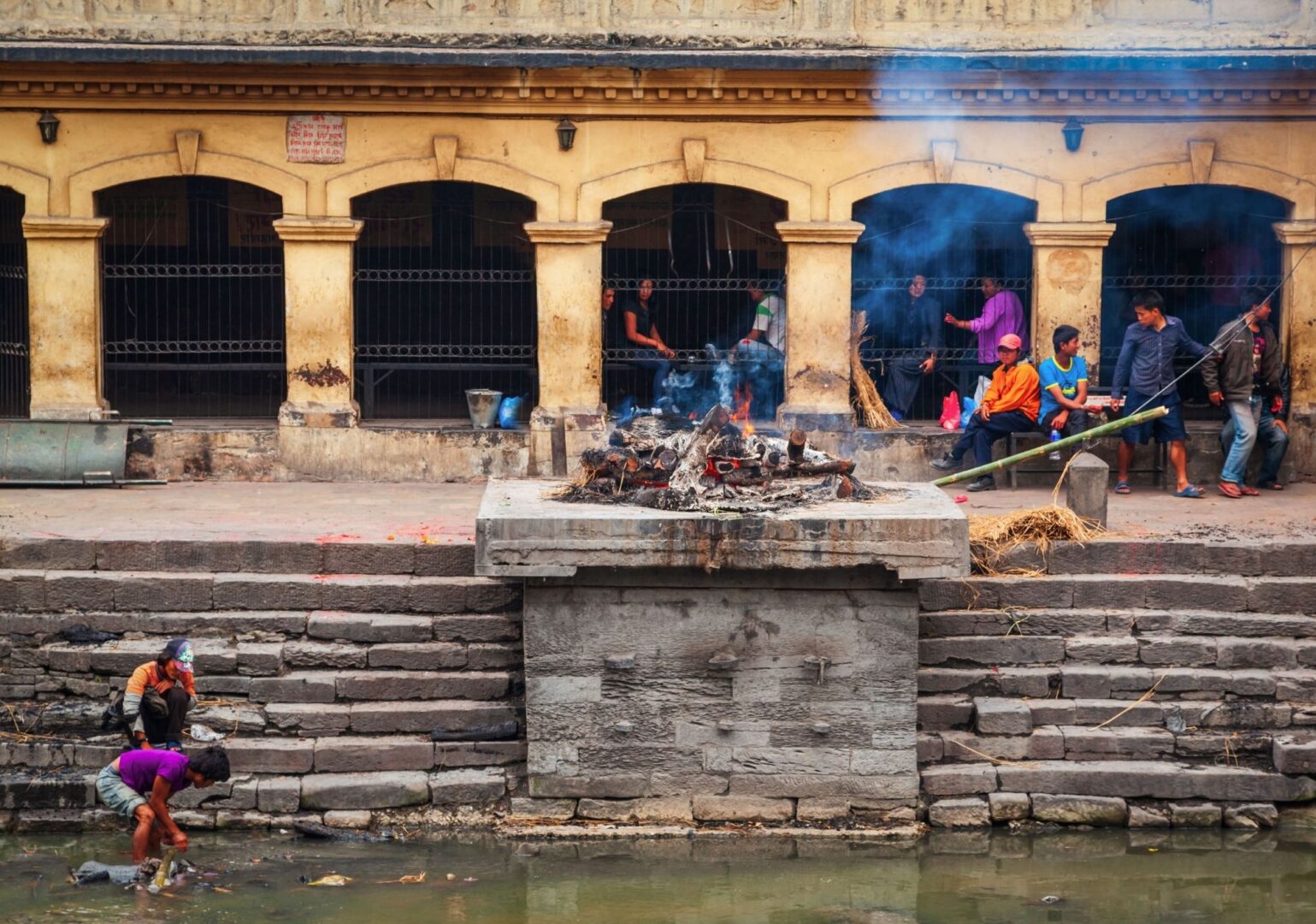
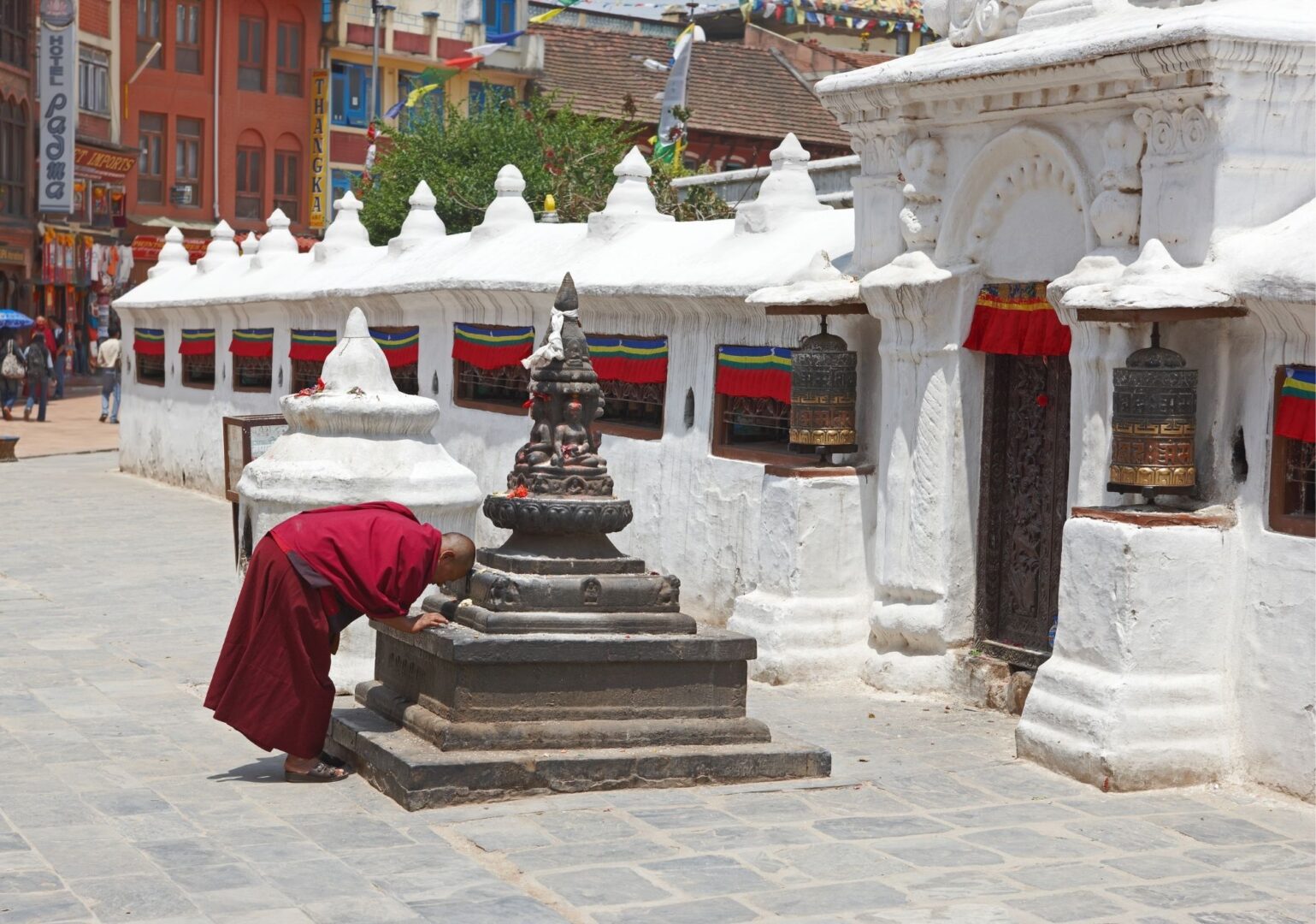
After breakfast, we visit Pashupatinath Temple and Boudhanath Stupa. Two of Nepal’s most sacred sites, and two very different encounters with the same truth.
At Pashupatinath, the cremation fires burn at the edge of the Bagmati River. Life and death, side by side, without apology. At Boudhanath, we walk the kora, the circular path around the stupa, alongside monks and pilgrims. Every step a small letting go.
This is the theme of the day: impermanence. What the river carries away. What the circle brings back.




Hotel Barahi Kathmandu
Hotel Barahi Kathmandu is a five-star hotel on the edge of the travelers neighborhood Thamel, steps away from the neoclassical Garden of Dreams and within easy walking distance of the ancient Kathmandu Durbar Square. The location strikes the right balance: quiet enough to escape the bustle of the city, central enough to explore it on foot.
This morning, we gather one last time before the journey home. Rosalie and Govinda close the expedition with a final ritual, a small gesture of blessing for the road ahead.
You do not leave as the same person who arrived. Something was left behind. Something was found. The Inner Expedition does not end today, it continues in how you return.
Kort het afscheid en de terugkomsessie benoemen?
Walking & pace
The Inner Expedition includes a 2-day hike through the Annapurna foothills. The walking days cover the villages of Dhampus, Landruk and Ghandruk, at altitudes between roughly 1,000 and 2,000 metres. The paths are well-marked and the terrain is varied: forest trails, stone steps and ridge walks with wide views.
You do not need to be an experienced trekker. A reasonable level of fitness is enough. The pace is gentle and the group moves together. The focus is not on distance or elevation. It is on being present.
Route
Altitude

Practical
Everything you need to know before you go. Below you’ll find answers to the most frequently asked questions about The Inner Expedition. Can’t find what you’re looking for? Feel free to reach out.
For questions about the sessions and guidance during the trip: reach out to Rosalie.
For questions about Nepal, the route and accommodations, contact Govinda.
Yes, always.
The homestay’s menu is plant-based by nature and offers plenty of choice. Three warm meals a day are freshly cooked in the homestay’s kitchen. Breakfast options include porridge, pancakes, omelette or local bread. For lunch and dinner, expect dal bhat, curry, lentil soup, noodles, dumplings, spring rolls or pasta.
We strongly advise against eating meat on the trail. Ingredients are often carried in on foot and cannot always be kept properly refrigerated. Vegetarian and vegan options are the safer and more reliable choice.
Most likely. Please, consult with your travel doctor (GGD) for personal advice.
During the trek you sleep in homestay’s: simple mountain homes with firm mattresses, pillows and blankets against the cold, and dal bhat in the shared dining room.
Expect a twin room, a shared bathroom and cold water. A hot shower or wifi is sometimes possible, usually for a small extra fee. Charging your electronics is always possible, sometimes for a small fee. And then there is the warm fire in the dining room, friendly hospitality and views no hotel can match. This is the Himalaya.
PS: even though pillows and blankets are provided, we recommend bringing your own warm sleeping bag. The nights at altitude get cold, and your own bag makes a real difference. After booking, you’ll receive a detailed packing list that helps you prepare for both the trek and the nights in the lodges.
We do not have a strict rule, but we do have a sincere request: use your phone as little as possible.
The Inner Expedition is designed to help you feel and experience things consciously. Having a screen works against that. Notifications, scrolling and the habit of capturing everything can quietly pull you out of the very moments you came here for. We encourage you to be present instead. Your photos will be beautiful. But what you feel when you put the phone down will last longer.
We advise skipping alcohol during this trip. Not as a rule, but as an invitation, to stay present, stay open and to go deeper into your own consiousness.
Nepal Group Trip – The Inner Expedition
- A journey through Nepal, and through yourself
- Guided by Rosalie (Lighting Up) and Govinda (By Mountain People)
- Trekking, sacred sites and personal guidance in one trip
Group Trek – Everest Base Camp with Gokyo Lake
Ask us a question
Group Trip – Mountains and Jungle
Ask us a questionExcited to explore Nepal?
Now let's make it real. Browse our trips or request a quote. We are a small Nepal trekking company, so you will hear from us personally ASAP.